
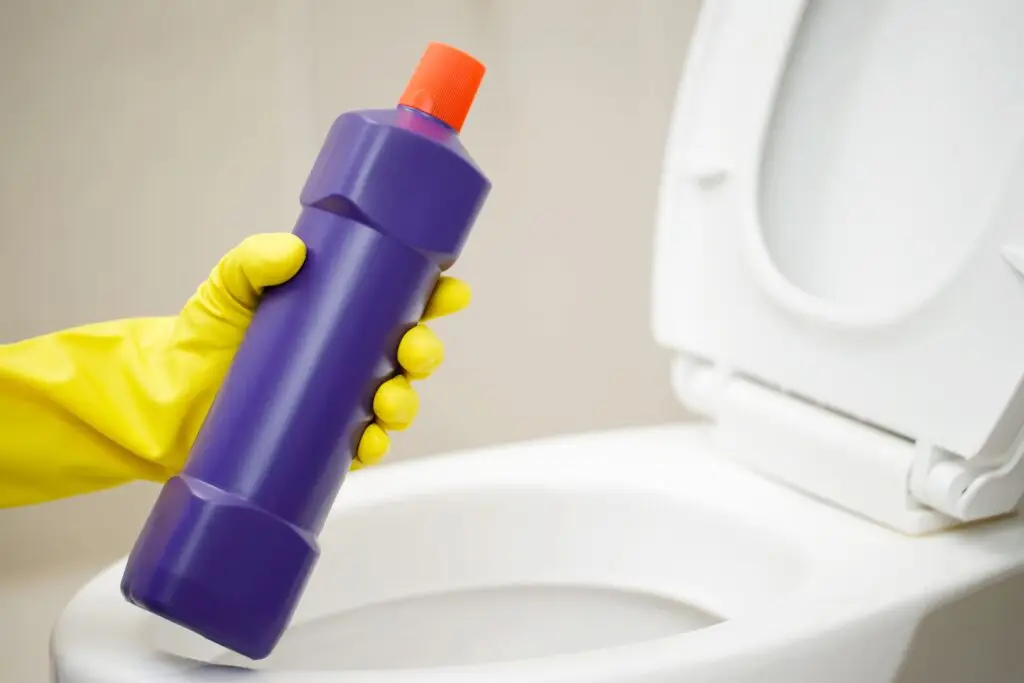
Keeping a clean and sanitary bathroom is a top priority for any homeowner, yet cleaning the toilet is often the least favorite task on the chore list. With hundreds of products lining the supermarket shelves—ranging from foaming aerosols to drop-in bleach tablets—choosing the right formula can be overwhelming.
The “best” toilet bowl cleaner isn’t just about the brand; it is about matching the chemical formulation to your home’s specific water chemistry and cleaning needs.
At Fabro Cleaning, our professional sanitization teams use chemical science and surface protection to maintain bathrooms to a clinical standard. In this comprehensive guide, we’ll break down what makes a toilet cleaner truly effective, analyze the different types of formulas on the market, and share our pro-grade tips for managing tough stains safely.
What Makes a Good Toilet Bowl Cleaner?
To find a product that does the heavy lifting for you, look beyond the marketing claims and understand the core active ingredients. A professional-grade toilet bowl cleaner must deliver across four essential performance metrics:
Disinfecting power
Toilets are the primary vector for biological pathogens in the home, including E. coli, Salmonella, and Staphylococcus. A high-quality cleaner should be an EPA-registered disinfectant. Look for products that specifically state they kill 99.9% of bacteria and viruses.
- The Active Chemistry: Disinfection is typically achieved using sodium hypochlorite (chlorine bleach) or quaternary ammonium compounds (quats).
Hard water and mineral stain removal
If you have hard water, your toilet bowl is prone to mineral scaling. As water evaporates, it leaves behind calcium carbonate (limescale), which creates a rough, grey, or white film.
- The Active Chemistry: To dissolve these alkaline mineral bonds, you need an acidic cleaner. Formulations containing hydrochloric acid, citric acid, or lactic acid are required to break down hard water scale on contact. Bleach, while excellent at sanitizing, will not remove mineral scaling or rust.
Septic-safe options
In the United States, roughly 20% of homes rely on private septic systems. Standard chemical cleaners containing high concentrations of chlorine bleach or hydrochloric acid can kill the beneficial bacteria inside your septic tank, leading to system failure and expensive backups.
- The Active Chemistry: If you have a septic system, look for labels certified as “Septic-Safe.” These formulas typically use organic acids (citric or lactic) or eco-friendly enzymes that neutralize stains and pathogens without harming the biological balance of your tank.
Ease of use and contact time
A great cleaner shouldn’t require exhausting physical scrubbing. The secret to effortless cleaning is dwell time (or contact time). The product must be thick enough to cling to the vertical porcelain walls of the bowl, allowing the chemical agents to break down organic soils and scale before you even touch the toilet brush.
THE DWELL TIME STANDARD
[APPLY GEL] [DWELL TIME] [RESULT]
Angled-neck bottle Wait 5 to 10 Minutes 99.9% Sanitization
clings under the rim. (Let chemistry work!) & scale dissolved.
Types of Toilet Bowl Cleaners
Choosing the right format of cleaner is about balancing daily maintenance with targeted stain removal.
Gel cleaners (The Professional Standard)
Gel cleaners are the undisputed champion of professional bathroom maintenance.
- Why they work: Packaged in bottles with an angled neck, they allow you to apply the product directly under the rim where water jet holes are located. Their high viscosity (thickness) ensures the formula clings to the bowl walls rather than sliding immediately into the water.
- Best for: Weekly deep-cleaning, disinfection, and targeted ring removal.
Tablets and pods
These are designed to be placed directly into the toilet tank or clipped onto the side of the bowl.
- Why they work: They release a small dose of bleach or blue dye with every flush, helping to suppress bacteria and hard water rings between deep cleans.
- Specialist Warning: Many professional plumbers advise against using chemical in-tank tablets. Over time, highly concentrated bleach in the tank can corrode the rubber flapper, seals, and gaskets, leading to slow leaks and running toilets that inflate your water bill.
Natural and vinegar-based options
If you prefer to avoid harsh synthetic chemicals or suffer from respiratory sensitivities, natural alternatives are highly effective.
- Why they work: Eco-friendly cleaners use plant-derived surfactants and mild natural acids like citric acid to dissolve mineral deposits.
- The DIY Method: Pour 1 cup of baking soda into the bowl followed by 1 cup of distilled white vinegar. The immediate chemical reaction produces carbon dioxide gas (bubbling), which physically lifts surface stains, while the mild acidity of the vinegar cuts through hard water film.
Rust and lime removers
These are heavy-duty, highly acidic formulations designed specifically for severe staining.
- Why they work: If you have high iron or manganese levels in your water, your bowl will develop unsightly orange, brown, or black streaks. Standard disinfectants are useless against these. You need a specialized rust remover containing hydrochloric, phosphoric, or oxalic acid to chemically convert the iron rust into soluble, rinsable compounds.
Best Cleaner for Common Toilet Problems
No single product can solve every toilet issue. Match your toolkit to the specific problem:
| Toilet Challenge | Primary Symptom | Best Chemical Agent | Pro Technique |
| Everyday Maintenance | Light dust, daily use, light biological load | pH-balanced foaming gel or mild soap | Weekly spray-dwell-scrub cycle. |
| Hard Water Stains | White, chalky, or grey rings at the water line | Citric or Lactic Acid | Apply acid gel, let sit for 15 minutes, scrub with a pumice stone (wet). |
| Rust Stains | Dark orange, brown, or red vertical streaks | Hydrochloric or Oxalic Acid | Turn off the water valve, flush to empty the bowl, apply rust remover directly to dry stains, let sit for 10 minutes. |
| Odor Control | Persistent “sour” or stagnant bathroom smells | Sodium Hypochlorite (Bleach) or Quats | Disinfect the high-touch flush handle, seat hinges, and the floor surrounding the base. |
Toilet Bowl Cleaner Safety Tips
Because toilet bowl cleaners are among the most chemically aggressive products in your home, strict safety protocols are non-negotiable.
Never mix cleaners (The Ultimate Rule)
This is the most dangerous cleaning mistake a homeowner can make:
- Acid + Bleach = Chlorine Gas: Mixing an acidic descaler (like a rust remover or vinegar) with a bleach-based cleaner immediately releases highly toxic chlorine gas, which can cause permanent lung damage or asphyxiation in a confined bathroom space.
- Bleach + Ammonia = Chloramine Gas: Mixing bleach with ammonia-based cleaners (often found in window sprays) releases chloramine vapor, which is highly irritating to the eyes, nose, and throat.
- Rule of Thumb: Always flush the toilet thoroughly between products. Never use two different cleaners in the same bowl at the same time.
Avoid using toilet cleaner on sinks, tubs, showers, or floors
Toilet bowl cleaners are engineered strictly for vitreous china (dense porcelain). They are far too acidic and corrosive for standard bathroom surfaces:
- The Damage: Using toilet cleaner on acrylic tubs, fiberglass shower surrounds, chrome faucets, or natural stone tiles will cause immediate, irreversible chemical burns, etching, and corrosion. (For a deep-dive on this hazard, see our Shower Surface Safety Guide).
Ventilation and glove recommendations
- Protect Your Skin: Always wear heavy-duty rubber or nitrile gloves. Caustic acids and strong bleaches can cause chemical burns on contact with bare skin.
- Protect Your Lungs: Turn on your bathroom’s exhaust fan and open a window before applying any strong cleaner. In small bathroom spaces, VOCs can accumulate rapidly, causing headaches or respiratory irritation.
How Often Should You Clean a Toilet?
Establishing a rhythmic cleaning schedule prevents organic matter and minerals from permanent crystallization:
Weekly bathroom cleaning
- The Routine: Apply a disinfectant gel inside the bowl, let it sit for 5 to 10 minutes, and scrub thoroughly with a stiff nylon toilet brush. While the bowl is soaking, use a separate microfiber cloth and a disinfecting spray to wipe down the flush handle, lid, seat, and exterior base.
- Important: Always close the lid before you flush to prevent toilet plume—the aerosolization of microscopic bacteria up to six feet into the air.
Monthly deeper maintenance
- The Routine: Inspect the area under the rim where the water jets are located. Use a small detail brush or a mirror to check for hidden black mold or rust buildup in these jet channels.
- Check the Tank: Open the tank lid to check for mineral sediment. If you have hard water, add a cup of white vinegar to the tank once a month, let it sit for an hour, and flush several times to keep the internal flushing mechanisms clean without damaging the rubber gaskets.
When Professional Cleaning Makes Sense
Keeping bathrooms clean without overusing harsh chemicals
Many homeowners resort to increasingly aggressive and toxic chemicals because their bathrooms are locked in a cycle of surface-level cleaning. Once mineral scale or grout mold takes root, standard retail sprays are often insufficient, leading to the dangerous overuse of acidic and caustic compounds.
By partnering with a professional recurring cleaning service like Fabro Cleaning, you break this cycle. Our background-checked, fully insured specialists utilize advanced micro-abrasive techniques, industrial HEPA-filtered extraction vacuums, and color-coded microfiber sanitization systems to keep your bathrooms sparkling.
We utilize surface-safe, eco-friendly chemistry that sanitizes your home without leaving behind toxic, lung-stinging chemical residues or risking damage to your expensive porcelain and stone surfaces.
FAQ
What is the best toilet bowl cleaner for stains?
For heavy mineral and organic staining, a viscous, hydrochloric acid-based gel is the most effective. The gel clinging action combined with the strong acid dissolves the bonds of the stain, allowing it to be wiped away without damaging the underlying porcelain glaze.
Are toilet bowl cleaner tablets safe?
In-tank bleach tablets are highly effective at suppressing bacteria between cleanings, but they are not recommended for long-term plumbing health. The constant exposure to concentrated bleach can corrode the internal rubber flappers and valves inside your toilet tank, leading to leaks. Clip-on bowl tablets are a much safer alternative.
Can vinegar clean a toilet bowl?
Yes. Distilled white vinegar is a highly effective, natural, and septic-safe descaler. Its acetic acid dissolves light hard water rings and neutralizes urine odors. For best results, pour 1 to 2 cups of vinegar into the bowl, let it sit for 30 minutes, scrub, and flush.
What cleaner is best for hard water stains?
Acid-based cleaners (containing citric, phosphoric, or lactic acid) are the best for hard water deposits. These acidic formulas chemically neutralize the alkaline minerals (calcium and magnesium), melting the scale away without the need for abrasive scrubbing that can scratch the porcelain.
How long should toilet cleaner sit?
For standard sanitization, the cleaner should sit (dwell) for at least 5 minutes. For true disinfection (killing tough viruses and bacteria) or heavy stain removal, leave the gel wet on the surface for 10 to 15 minutes before scrubbing and flushing.
Restore the Sanctuary in Your Home with Fabro Cleaning
You don’t have to waste your limited weekends scrubbing toilets, cleaning glass tracks, or inhaling harsh chemical fumes. At Fabro Cleaning, we combine elite training, transparent pricing, and a strict commitment to family-safe, surface-specific chemistry to serve homeowners across Pennsylvania.
We take the guesswork out of home maintenance, keeping your bathrooms clinically sanitized and beautifully preserved.
Ready to experience the peace of a professionally kept home?
Get Your Personalized, No-Obligation Cleaning Estimate Today! | Explore Our Recurring Cleaning Packages