
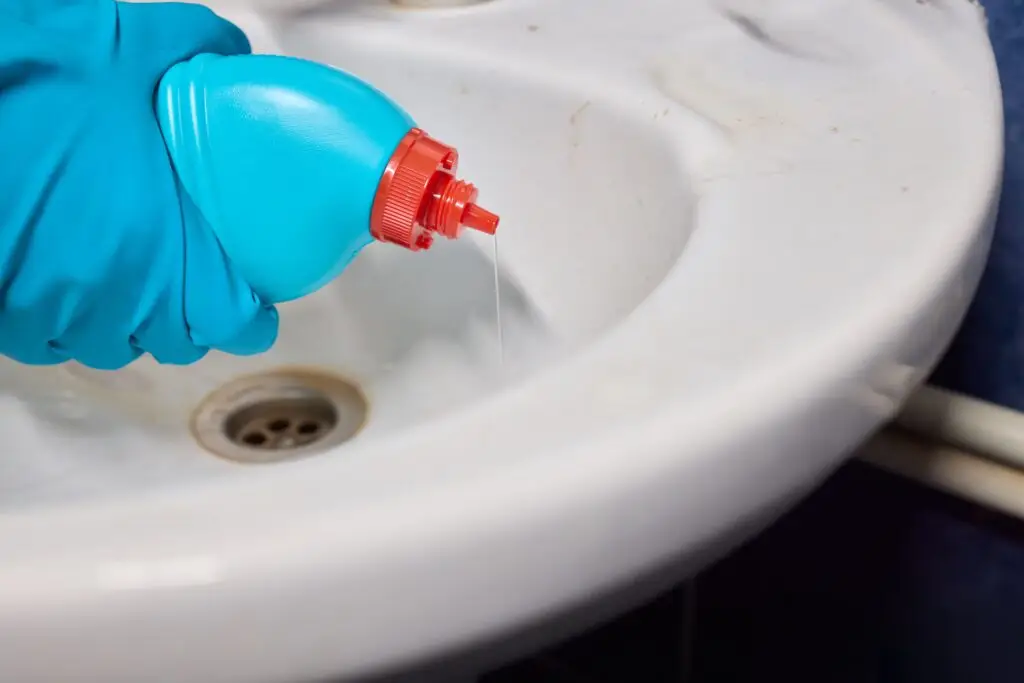
If you are currently looking at a stubborn stain in your kitchen or bathroom sink and holding a bottle of toilet bowl cleaner, stop immediately. While the idea of using a powerful cleaner for a tough mess is tempting, using toilet bowl cleaner on a sink is one of the most common ways to cause permanent, non-repairable damage to your home’s surfaces. Toilet bowl cleaners are specifically engineered for the unique ceramic composition of toilets—they are not “universal” cleaners.
Why Toilet Bowl Cleaner Should Not Be Used in Sinks
Different surfaces need different cleaners
Toilet bowls are made of specialized, heavy-duty vitrified china that can withstand high concentrations of acid. Sinks, however, are made from a wide variety of materials—stainless steel, enameled cast iron, composite granite, and acrylic—each with its own sensitivity to pH levels. Using a chemical meant for a toilet on a sink is akin to using industrial degreaser on your face; it is chemically incompatible with the surface.
Risks for metal drains, faucets, porcelain, and sealants
Most toilet cleaners contain hydrochloric acid or heavy-duty bleach. These chemicals are designed to dissolve calcium and uric acid scale, but they don’t stop there. They will aggressively attack:
- Metal Finishes: Chrome, brass, and nickel faucets will suffer immediate finish stripping.
- Caulk and Sealants: Acids cause silicone caulk to deteriorate and break away from the sink edge.
- Drain Components: The acidic runoff will corrode internal drain piping, especially if you have older metal plumbing.
What Damage Can Toilet Bowl Cleaner Cause?
Staining
Many toilet cleaners contain dyes designed to help you see where you’ve sprayed. These dyes are often absorbed into porous surfaces like composite granite or older, cracked porcelain, leaving you with blue or green stains that can never be removed.
Corrosion
Corrosion is the chemical destruction of metal. On stainless steel, this causes “pitting”—tiny, microscopic holes that are impossible to polish out. These pits are the perfect breeding ground for future rust.
Etching
Etching is a permanent chemical burn. On natural stone or delicate enamel, the acid literally eats away the top layer of the surface. This creates a dull, chalky, or rough spot that will never regain its original shine, no matter how much polish you use.
Finish damage around fixtures
The area where the faucet meets the sink is a common “pooling” zone. If toilet cleaner drips into this gap, it can eat through the finish of the faucet base and the decorative ring, leaving you with permanent discoloration at the most visible point of your sink.
What to Do If You Already Used It
If you have already applied the cleaner, stay calm and act fast to minimize the damage:
- Rinse immediately with water: Flush the area with large amounts of cold water for at least 5 minutes. Do not spray more cleaner while doing this.
- Avoid mixing with other cleaners: CRITICAL: Do not mix the area with bleach, ammonia, or other household cleaners. Mixing toilet cleaner (acid) with bleach creates toxic chlorine gas, which is extremely dangerous to inhale.
- Check for visible damage: Once dry, look for cloudiness, bubbling, or color changes. If the surface looks “etched” or permanently discolored, you may need a professional surface restoration service to assess the damage.
Safe Ways to Clean Bathroom Sinks
- Mild bathroom cleaner: Use a product specifically formulated for bathroom surfaces (like a pH-neutral spray).
- Dish soap and microfiber: For daily maintenance, you don’t need harsh chemicals. Dish soap and a soft cloth are more than enough to remove toothpaste and soap scum.
- Baking soda for residue: If you have stubborn hard water film, make a paste with baking soda and water. It is a gentle, natural abrasive that won’t etch the finish.
Safe Ways to Clean Kitchen Sinks
- Stainless steel cleaning: Use only non-abrasive, pH-neutral cleaners and always wipe with the grain of the steel.
- Porcelain sink care: Stick to gentle, non-scratch liquid cleaners. Never use abrasive powders like Comet or Ajax, which act like sandpaper.
- Odor control for drains: Pour half a cup of baking soda down the drain followed by white vinegar. Let it bubble for 5 minutes, then flush with boiling water. This cleans naturally without harsh chemicals.
FAQ
Will toilet bowl cleaner stain a sink?
Yes. Many contain strong blue or green dyes that are designed to linger in toilet bowls but will permanently dye porous sink materials.
Can toilet cleaner damage faucets?
Absolutely. It will strip the plating from chrome, brushed nickel, and brass, leading to bubbling and peeling finishes within minutes.
What cleaner should I use for a bathroom sink?
Use a general-purpose, non-abrasive cleaner labeled “safe for all bathroom surfaces.” When in doubt, mild dish soap and warm water are always the safest choice.
Can I use bleach in a sink?
Only in very specific, diluted cases for porcelain. Never use bleach on stainless steel, as it causes permanent pitting and corrosion.
How do I remove sink stains safely?
For most materials, a baking soda paste is the safest way to lift stains. If the stain is deep, contact a professional cleaning service rather than escalating to aggressive chemicals.
Professional Care for Your Home Surfaces
Don’t risk your kitchen and bathroom finishes by experimenting with harsh industrial chemicals. At Fabro Cleaning, we utilize professional-grade, material-specific cleaning agents that restore the luster of your fixtures without damaging the integrity of your surfaces.
From deep kitchen sanitation to delicate bathroom restoration, we treat your home with the precision it deserves.
Keep your home looking brand new—without the damage.
Book Your Professional Cleaning Today! | Request a Custom Quote