
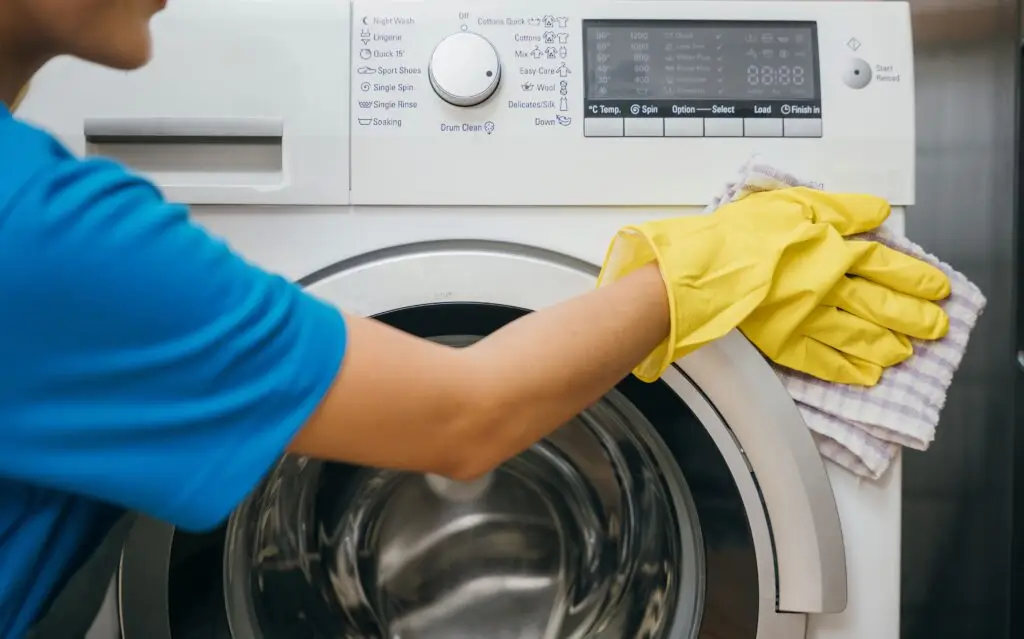
Your washing machine works hard to keep your clothes fresh, but over time, it becomes a hub for detergent residue, fabric softener buildup, and moisture—the perfect recipe for mildew and unpleasant odors. The good news? You don’t need harsh chemicals to get it sparkling clean.
At Fabro Cleaning, we advocate for simple, effective, and eco-friendly solutions that are safe for your machine and your family.
Why Washing Machines Need Regular Cleaning
Even though your machine uses soap and water, it doesn’t clean itself. Detergent “gunk” (often called “scrud”) accumulates behind the drum and inside the rubber seals. If left unchecked, this buildup provides a breeding ground for bacteria and mold, which can transfer back onto your fresh laundry, leaving it smelling musty.
Quick Answer: Natural Washer Cleaning Method
The best way to clean your washer naturally is a two-step cycle: run a hot water cycle with white vinegar to break down mineral deposits and grime, followed by a second cycle with baking soda to neutralize odors and scrub away remaining residue.
Front-Load vs. Top-Load Washer Cleaning
- Front-Loaders: These are notorious for mold growth in the rubber gasket (door seal). This needs extra attention with an old toothbrush.
- Top-Loaders: These can trap grime under the agitator and inside the bleach dispenser. They are easier to soak, as you can pause the machine to let the vinegar and water sit in the drum.
Supplies You Can Use Safely
- White Vinegar: Acts as a natural disinfectant and descaler for hard water deposits.
- Baking Soda: A gentle abrasive that scrubs away stubborn sludge and absorbs odors.
- Microfiber Cloth: Soft enough to avoid scratching the drum but effective at trapping residue.
- Old Toothbrush: Essential for getting into the nooks and crannies of the detergent tray and door seals.
Step-by-Step Washing Machine Cleaning Guide
- Clean the Drum: Set your washer to the hottest and largest cycle. Add 2–4 cups of white vinegar (no clothes!) and let it run.
- Wipe the Rubber Gasket (Front-Loaders): Use your toothbrush and a vinegar-dampened cloth to scrub inside the folds of the door seal. This is where hair, lint, and mold hide.
- Clean the Detergent Drawer: Most drawers pull out entirely. Soak them in warm, soapy water and use your toothbrush to scrub out caked-on softener.
- Run a Hot Cleaning Cycle with Baking Soda: Once the vinegar cycle finishes, sprinkle 1/2 cup of baking soda directly into the drum and run another hot cycle. This “scrubs” the interior.
- Leave the Door Open to Dry: After cleaning, keep the door (or lid) open for at least 24 hours. Airflow is the #1 defense against future mold.
How to Remove Washer Odors
If your washer still has a persistent smell, ensure your drain filter is clean. Most front-load washers have a small access panel at the bottom front that hides a filter; if it’s full of lint and standing water, it will smell like rotten eggs. Clean this filter under your sink faucet, and the odor should vanish.
How Often Should You Clean a Washing Machine?
For a busy household, aim for a deep clean every 3 to 6 months. If your water is “hard” (high mineral content), you may need to clean it more frequently to prevent scale buildup on your internal heating elements.
When to Use a Washer Cleaning Tablet
If you have extremely hard water or severe mold buildup, a natural cleaning might not be enough. Professional-grade washing machine cleaning tablets are designed to be more concentrated than vinegar. They are a great “middle ground” if you don’t have the time for a full two-cycle natural cleaning.
FAQ
What is the best natural way to clean a washing machine?
A two-cycle process using white vinegar for descaling and baking soda for scrubbing and deodorizing is the gold standard for natural cleaning.
Can vinegar damage a washing machine?
If used in small amounts (a few cups) for a monthly cleaning, it is perfectly safe. Avoid running vinegar cycles daily, as the acidity can degrade rubber parts over many years.
How do I clean mold from a front-load washer?
Scrub the rubber door gasket thoroughly with a toothbrush and vinegar. If the mold is deep in the pores of the rubber, you may need a specialized mildew remover, but maintenance is key to preventing it from returning.
Why does my washing machine smell?
Usually, it’s due to a lack of airflow and buildup of detergent residue in the drain filter or behind the door seal. Always leave the door open after a wash!
Should I use baking soda or vinegar first?
Always use the vinegar first to dissolve minerals, then use the baking soda to neutralize the vinegar and scrub away remaining organic sludge.
Is your laundry room in need of a professional touch? At Fabro Cleaning, we know that a clean home starts with clean appliances. Let us handle your deep cleaning so you can focus on what matters most.
Contact Fabro Cleaning today to get a professional service quote!