
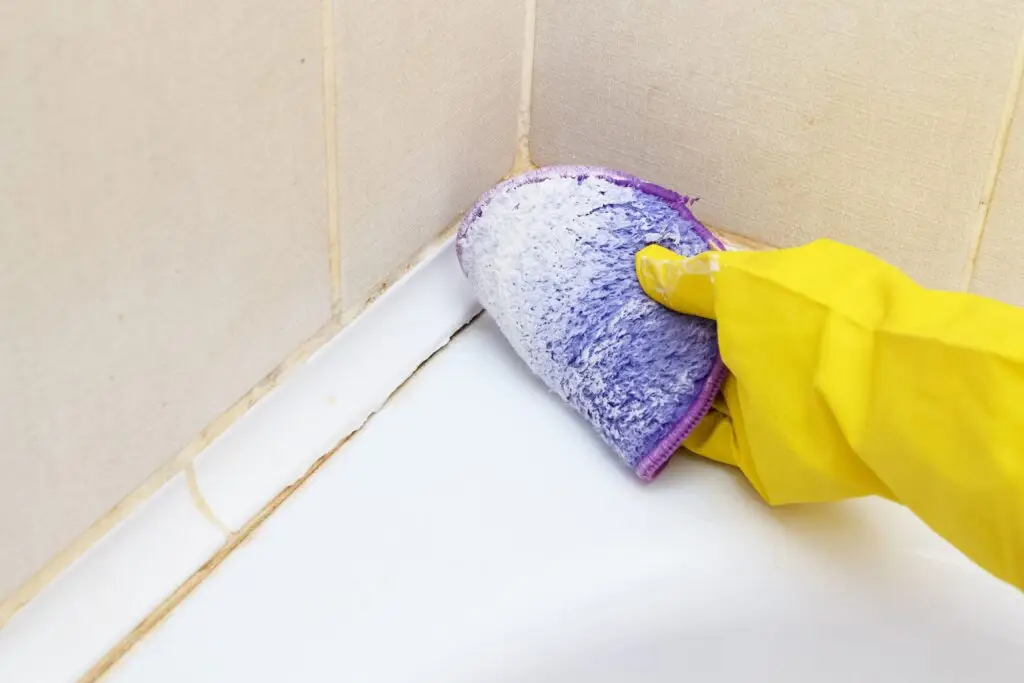
There are few things as frustrating as a sparkling clean shower marred by dark, fuzzy mold spots along the caulk. Because caulk is designed to seal gaps, it creates the perfect environment for moisture to linger, making it a primary target for mold growth.
At Fabro Cleaning, we have helped countless homeowners tackle this exact issue. Here is the professional way to remove the mold and restore your shower’s look—without resorting to heavy-duty equipment.
Why Mold Grows on Shower Caulk
Mold loves three things: moisture, organic matter (like soap scum and skin cells), and darkness. Shower caulk often has microscopic pores where soap scum and oils get trapped. This buildup becomes food for mold spores, which then take root and grow deep into the silicone.
Is It Mold or Mildew?
While often used interchangeably, there is a difference:
- Mildew: Usually surface-level, powdery, and light gray or white. It wipes off easily.
- Mold: Usually fuzzy or slimy, appearing in dark spots (black, green, or red). It grows into the material and is much harder to remove.
Quick Answer: Best Cleaner for Moldy Shower Caulk
For surface mold, a thick bleach-based gel or a paste made of hydrogen peroxide and baking soda is best. The key is “dwell time”—you must keep the cleaner in direct contact with the mold for at least 15–30 minutes to penetrate the silicone.
Safe Cleaning Supplies to Use
- Hydrogen Peroxide (3%): A natural alternative to bleach that kills mold without the harsh fumes.
- Baking Soda Paste: Excellent for scrubbing and lifting stubborn stains.
- Bleach Solution: Use a 1:10 ratio (1 part bleach to 10 parts water) only for deep-seated stains.
- Mold Stain Remover Gel: These store-bought, thick gels are designed to cling to vertical surfaces, allowing the chemicals to work longer.
How to Clean Moldy Caulk Step by Step
- Ventilate the Bathroom: Open all windows and turn on the exhaust fan. If using bleach, wear gloves and eye protection.
- Apply Cleaner and Let It Sit: Apply your chosen cleaner (the gel or paste works best) generously over the affected caulk. Crucial: Cover the area with plastic wrap or strips of paper towel soaked in the solution to prevent it from drying out. Let it “dwell” for at least 30 minutes.
- Scrub With a Soft Brush: Use an old toothbrush or a soft nylon brush to gently scrub the caulk. Avoid stiff wire brushes, which can damage the silicone and create more microscopic spaces for mold to grow.
- Rinse and Dry Completely: Rinse thoroughly with hot water. Afterward, always wipe the area completely dry with a clean towel. Mold cannot grow on a dry surface!
When Mold Means You Need New Caulk
If you’ve tried a deep clean and the black spots remain, the mold has likely grown underneath the caulk or deep into the silicone material itself. At this stage, no cleaner will work. You must remove the old caulk, clean the surface underneath with a mildewcide, and re-caulk the shower.
How to Prevent Mold From Coming Back
- Wipe Down Daily: After your shower, use a squeegee to remove excess water from the walls and caulk.
- Improve Airflow: Keep the exhaust fan running for at least 20 minutes after your shower.
- Use Soap, Not Detergent: Bar soaps contain talc, which is a common food source for mold. Switching to a liquid body wash reduces the organic buildup.
FAQ
Does bleach kill mold in shower caulk?
Bleach is effective at killing surface mold, but because it is water-based, it often fails to penetrate porous surfaces like silicone, allowing the roots of the mold to survive.
Can moldy caulk be cleaned?
Yes, if the mold is superficial. However, if the black spots are deep within the silicone, the caulk will need to be replaced.
What removes black mold from silicone caulk?
A professional-grade mold remover gel is the most effective tool, as it sticks to the vertical surface of the caulk long enough to break down the mold.
Why does mold keep coming back in my shower?
It usually means there is either inadequate ventilation in the bathroom or that there is a deep infestation of mold behind or under the current caulk.
Should I replace moldy shower caulk?
If the mold is deep-set and won’t lift after a thorough cleaning, replacing the caulk is the only way to permanently solve the problem and protect your walls from moisture damage.
Is your bathroom in need of a professional refresh? At Fabro Cleaning, we don’t just clean—we detail. Let us take care of the hard-to-reach areas, so your home stays beautiful and healthy.
Book your deep cleaning with Fabro Cleaning today!