
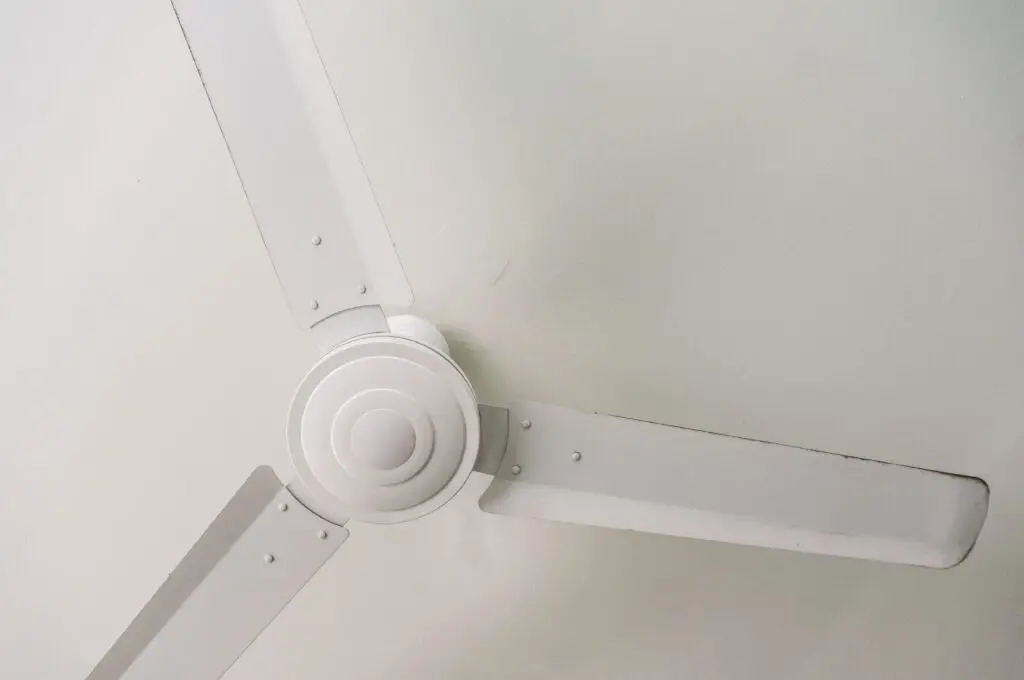
There is nothing quite as frustrating as deciding to clean your ceiling fan, only to have a flurry of gray “dust bunnies” rain down onto your furniture, floors, and clean laundry. Dusting ceiling fans is one of the most dreaded household chores simply because of the mess it usually creates.
At Fabro Cleaning, we have perfected the technique to ensure you catch the dust before it hits your floor. Here is how to handle your ceiling fans like a pro.
Why Ceiling Fans Collect So Much Dust
Ceiling fans attract dust through a combination of static electricity and the way they move air. As the blades spin, they generate a static charge that acts like a magnet for airborne dust, hair, and pet dander. Once that layer starts to form, it becomes “sticky,” catching even more particles from the air as the fan circulates the room’s atmosphere.
Quick Answer: The Pillowcase Method
The absolute best way to clean a ceiling fan—and the only way to ensure zero mess—is the Pillowcase Method. By sliding an old pillowcase over the blade, you trap all the dust inside the fabric as you wipe, ensuring that not a single speck of dirt falls onto your floor.
What You Need to Clean Ceiling Fans
- Old Pillowcase: One that you don’t mind getting dirty.
- Step Stool or Ladder: For safe reach.
- Microfiber Cloth: For the final polish.
- Mild Cleaning Solution: A few drops of dish soap in water for stuck-on grime.
- Safety Glasses: Recommended to keep dust out of your eyes while working overhead.
Step-by-Step Ceiling Fan Cleaning Guide
- Turn Off the Fan: Never attempt to clean a moving fan! Ensure the fan is turned off and the blades are completely stationary.
- Cover the Blade With a Pillowcase: Slide the pillowcase over the fan blade like a sleeve, ensuring it covers the blade from the base to the tip.
- Pull Dust Into the Pillowcase: Press your hands against the top and bottom of the blade through the pillowcase, then slowly pull the pillowcase back toward you. All the dust, lint, and debris will be wiped off the blade and remain trapped inside the case.
- Wipe With a Damp Microfiber Cloth: Once the loose dust is gone, use a microfiber cloth lightly dampened with soapy water to wipe away any oily residue or “sticky” grime that the pillowcase missed.
- Clean the Light Fixture: Use a separate, clean damp cloth to wipe down the light globes or shades. These often collect a mix of heat-baked dust and grease that requires a quick polish.
How to Clean High Ceiling Fans Safely
If your fan is on a vaulted ceiling, do not attempt to balance on a tall ladder. Instead, use a long-handled ceiling fan duster (often made of microfiber) that is designed to “hug” the blade. While the pillowcase method is superior for mess-trapping, a specialized long-reach duster is the safer professional alternative for out-of-reach fixtures.
How Often Should Ceiling Fans Be Cleaned?
In a typical home, you should dust your fans every 3 to 4 weeks. If you have pets, suffer from allergies, or leave your windows open frequently, you may want to clean them every two weeks to keep your indoor air quality high.
Why Clean Fans Matter for Indoor Air Quality
Every time you turn on a dirty fan, you are essentially launching stored dust and allergens directly into your breathing zone. For those with asthma or hay fever, this can trigger significant discomfort. Keeping blades clean ensures that the air circulating in your room remains as fresh as possible.
FAQ
What is the easiest way to clean ceiling fans?
The “Pillowcase Method” is widely recognized as the easiest and cleanest way to dust fan blades, as it eliminates the need to clean the floors afterward.
How do you dust a ceiling fan without dust falling?
The pillowcase method is the only way to guarantee that dust stays contained. By sliding the pillowcase over the blade and pulling it off, you catch 100% of the loose debris.
Can you clean ceiling fans with a Swiffer?
You can, but it is not recommended for heavy dust. Swiffer dusters often lack the surface area to hold a large amount of debris, leading to dust falling off the duster and onto your furniture.
How often should ceiling fan blades be cleaned?
Once a month is standard for most homes. If you notice a “furry” layer of dust on the edges of the blades, it’s time to clean them.
Should ceiling fans be cleaned before or after vacuuming?
Always before. Dust will inevitably fall during the cleaning process, even when using the pillowcase method. Always clean your fans first, then vacuum the floors to pick up any stray particles.
Is your home ready for a professional deep clean? At Fabro Cleaning, we pride ourselves on catching all the details—from high ceiling fans to the corners of your floors. Let us take the hassle out of your home maintenance!
Contact Fabro Cleaning today for a professional service estimate!