
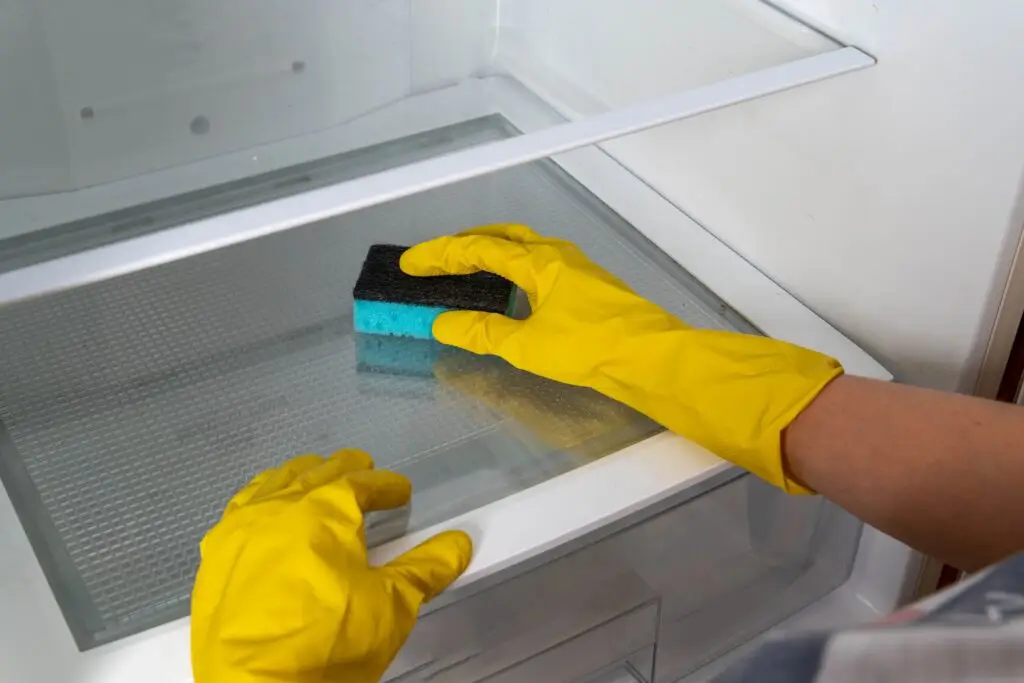
Your refrigerator is the most hardworking appliance in your kitchen, yet it’s often the most neglected when it comes to deep cleaning. From accidental spills to hidden expired jars, refrigerators can quickly become a breeding ground for bacteria and unpleasant odors.
At Fabro Cleaning, we approach refrigerator maintenance with a focus on safety, hygiene, and efficiency. Here is how to keep your fridge spotless and running at peak performance.
Why Refrigerator Cleaning Matters
Beyond aesthetics, a clean fridge is a food-safe fridge. Spills can lead to cross-contamination, while dust buildup on the coils forces the motor to work harder, increasing your energy bills and shortening the appliance’s lifespan.
Quick Answer: How Often to Clean a Refrigerator
Perform a “purge” and wipe-down weekly (before grocery shopping). Schedule a deep, full-unit clean every 3 to 6 months to scrub bins, check seals, and clean the coils.
Supplies You Need
- Microfiber cloths: For streak-free wiping.
- Mild dish soap: The safest cleaner for food-contact surfaces.
- Baking soda: The natural deodorizer.
- White vinegar: Perfect for sanitizing door seals.
- Vacuum with a crevice tool: To clean the coils.
- An old toothbrush: To scrub tight crevices and shelf tracks.
Step-by-Step Refrigerator Cleaning Guide
- Remove Expired Food: Start by tossing anything questionable. A clean fridge is impossible if it’s packed with expired items.
- Take Out Shelves and Drawers: Remove all removable parts. Take them to the sink and wash them with warm, soapy water. Important: Let glass shelves reach room temperature before washing to prevent them from shattering due to thermal shock.
- Wash Interior Surfaces: Wipe the walls and floor of the interior with a solution of warm water and a small drop of dish soap.
- Clean Door Seals and Handles: The rubber gaskets (door seals) are magnets for crumbs. Use a damp cloth with vinegar to wipe them down, then use an old toothbrush to get into the folds. Handles should be sanitized daily or weekly to stop the spread of germs.
- Wipe the Exterior: For stainless steel, follow the grain (as discussed in our guide). For enamel/painted fridges, a damp soapy cloth works perfectly.
- Vacuum Coils and Behind the Fridge: Pull the fridge out. Vacuum the dust from the condenser coils and the floor behind the unit. A dust-free coil allows your fridge to cool much more efficiently.
How to Remove Refrigerator Odors
If your fridge smells, don’t just mask it. Find the source (usually an old spill). Once clean, place an open box of baking soda on the back of a shelf—it naturally absorbs odor molecules. For a fresh scent, you can also place a small dish of coffee grounds or a fresh lemon slice in the fridge for a day or two.
What Cleaners Are Safe Around Food?
Stick to mild dish soap or a mixture of water and white vinegar. Never use harsh chemicals, ammonia, or bleach-based cleaners inside your refrigerator. These leave behind toxic residues that can leach into your food.
Weekly vs. Deep Refrigerator Cleaning
- Weekly: Dispose of old food, wipe down one or two shelves, and sanitize handles.
- Deep Clean: Remove everything, scrub shelves in the sink, clean the door gaskets, and vacuum the external condenser coils.
FAQ
How often should you clean your refrigerator?
Weekly for a quick wipe-down; every 3–6 months for a full deep clean and coil maintenance.
Can I use baking soda to clean a fridge?
Yes! A paste of baking soda and water is a gentle, safe abrasive for scrubbing off stubborn dried-on spills inside the fridge.
How do you remove bad smells from a refrigerator?
Clean the unit thoroughly to find the source of the smell, then place an open box of fresh baking soda inside to maintain neutrality.
Should refrigerator shelves be washed in hot water?
Use warm water, never boiling. Glass shelves are susceptible to cracking if they undergo a sudden, extreme temperature change.
How do you clean behind a refrigerator?
Pull the unit away from the wall carefully, unplug it if you need to, and use a vacuum with a crevice tool or a long-handled coil brush to remove dust from the condenser coils.
Is your kitchen ready for a professional touch? At Fabro Cleaning, we offer detailed cleaning services that ensure your home is not just clean, but truly refreshed. Let us handle the chores you don’t have time for!
Contact Fabro Cleaning today for a professional service estimate and let us make your home shine!