
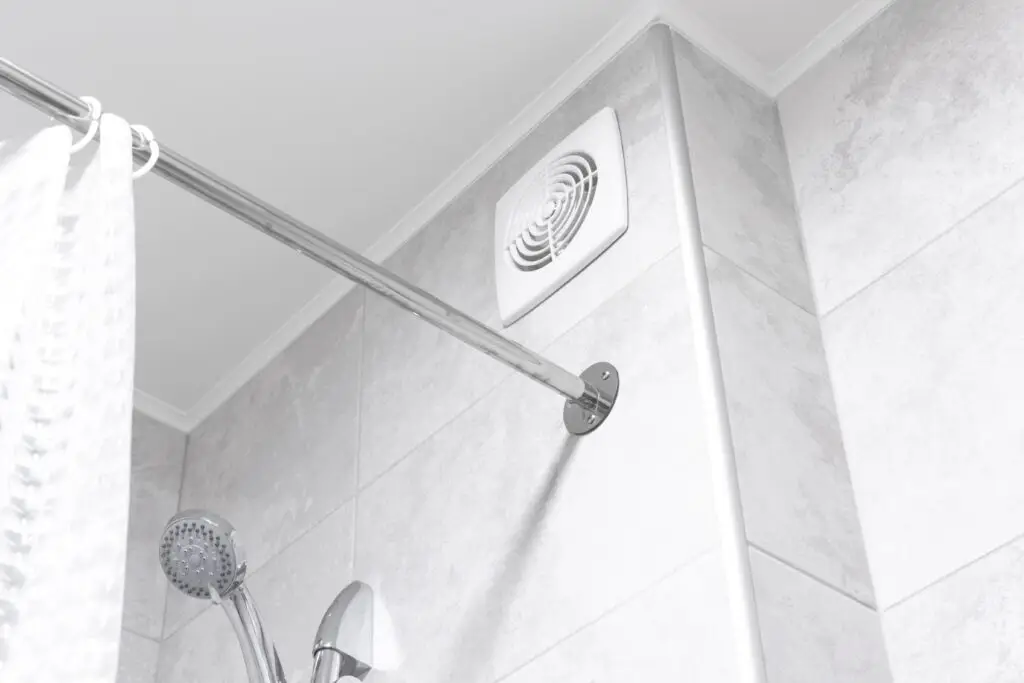
A bathroom exhaust fan is the unsung hero of your home’s indoor air quality. It works tirelessly to pull moisture, odors, and airborne particles out of your bathroom. However, because it’s constantly circulating air, it eventually becomes a magnet for dust and lint. At Fabro Cleaning, we recommend adding this task to your seasonal checklist to ensure your fan stays as efficient and quiet as the day it was installed.
Quick Answer: How Do You Clean a Bathroom Exhaust Fan?
To clean your fan, start by shutting off the power at the circuit breaker. Pull down the cover (grille), vacuum the loose dust, and wash the cover in warm, soapy water. Use a vacuum with a soft brush attachment to gently clear the fan blades and motor housing, then wipe the interior with a damp, soapy cloth before reattaching the cover.
Why Bathroom Fans Get Dirty
Every time you run your fan, it draws in air from the room. That air is filled with microscopic dust, lint from towels, and hair. In a humid bathroom environment, this dust settles on the fan blades and motor, turning into a sticky layer of grime that acts like a blanket, causing the motor to work harder, run louder, and eventually lose its ability to clear moisture effectively.
Signs Your Fan Needs a Deep Clean
- Visible Buildup: You can see “fuzz” or gray layers of dust clinging to the slats of the fan cover.
- Weak Airflow: You notice that steam lingers on your mirrors longer than it used to after a shower.
- Persistent Odors: If the room smells musty despite a clean bathroom, the fan may be too clogged to cycle the air.
- Strange Noises: A rattling or grinding sound is often a sign of debris hitting the blades or the motor struggling against an imbalance caused by dirt.
The Fabro Cleaning Toolkit
- Step Ladder or Stool: Ensure it is on a stable, dry surface.
- Vacuum: Use a hose with a soft brush attachment.
- Microfiber Cloths: For wiping down housing.
- Screwdriver: Often needed to loosen the cover (though many are spring-loaded).
- Mild Dish Soap & Warm Water: For the cover itself.
- Soft Brush: An old toothbrush or a grout brush for tight spaces.
Step-by-Step Cleaning Guide
- Safety First: Switch off the power at your breaker box. Test the switch to confirm the fan won’t turn on.
- Remove the Cover: Most covers are held in place by metal springs; simply pull the cover down and squeeze the springs together to release them from the slots.
- Vacuum Everything: Use your vacuum’s brush attachment to clear out the dust from the housing, blades, and motor. Do not push too hard on the delicate blades.
- Wash the Grille: Take the cover to the sink. Wash it with warm, soapy water and a soft brush. Ensure it is 100% dry before putting it back.
- Wipe the Interior: Use a slightly damp (not dripping!) microfiber cloth to wipe the interior fan body. Never spray water directly into the motor.
- Reassemble: Squeeze the springs, slide them back into their slots, and push the cover back up until it sits flush against the ceiling.
Maintenance Frequency
For most homes, cleaning the bathroom fan every 6 months is the “sweet spot.” If your bathroom sees heavy use (like in a large family home) or you live in an area with high dust, you may want to aim for every 3–4 months.
Does a Dirty Fan Cause Mold?
Yes, indirectly. A dirty fan loses its “Cubic Feet per Minute” (CFM) efficiency. When it can’t pull enough air, humidity remains trapped in the room after your shower. This excess moisture settles on walls, grout, and ceilings, creating the perfect breeding ground for mold. Keeping your fan clean ensures it can do its job of keeping your bathroom dry.
When to Call the Professionals
If your fan still makes grinding noises after a deep clean, or if you aren’t comfortable working with electrical components, it’s best to call a professional. At Fabro Cleaning, we include high-reach dusting and vent maintenance in our deep-cleaning packages to keep your home’s ventilation systems running at peak performance.
FAQ
How do I clean dust out of a bathroom exhaust fan?
Use a vacuum with a soft brush attachment to suck out loose lint, then use a soft brush or a damp cloth to wipe the blades and housing.
Can you vacuum a bathroom fan?
Yes, it is actually the most efficient way to remove the bulk of the dry dust and lint before wiping it down.
How often should bathroom exhaust fans be cleaned?
Every 6 months is the standard. If your fan is in a master bathroom used daily, consider every 3 months.
Why is my bathroom fan not pulling air?
It is likely clogged with dust, or the ductwork may be blocked. Try a deep cleaning first; if that doesn’t fix it, there may be a mechanical issue with the motor.
Does cleaning the fan help prevent mold?
Absolutely. A clean fan moves more air, which reduces the humidity levels that mold requires to grow.
Need help with those hard-to-reach household tasks? From ceiling vents to baseboards, Fabro Cleaning ensures every corner of your home is maintained to a professional standard.
Click here to get your free estimate from Fabro Cleaning today and breathe easier!