
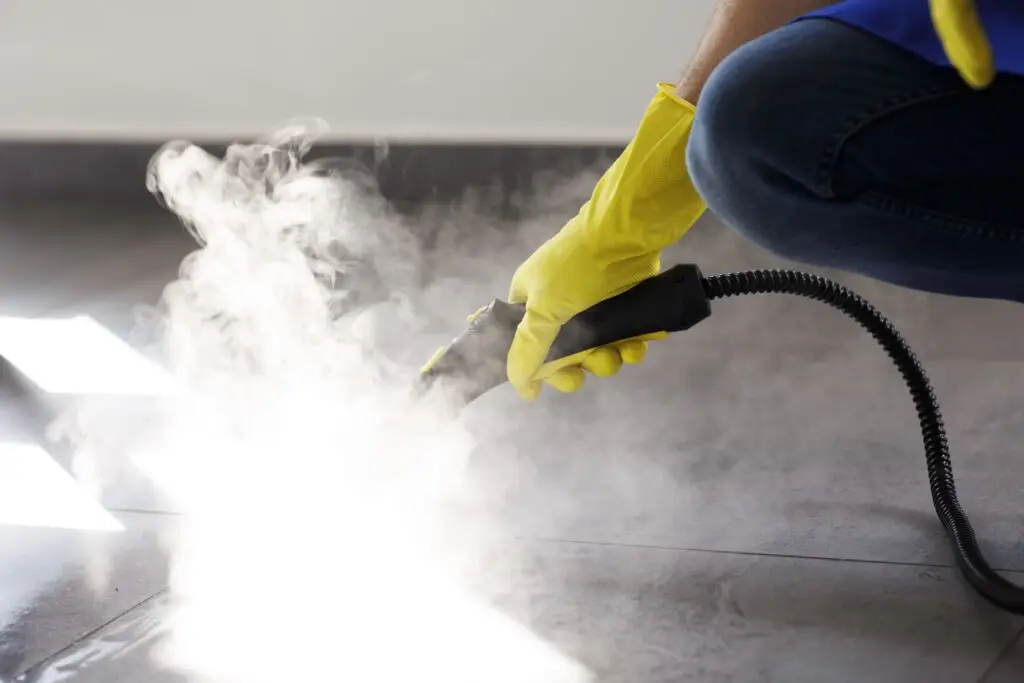
When it comes to maintaining a clean home, you are often faced with a choice: the high-heat, high-tech power of steam, or the time-tested effectiveness of traditional soap-and-water cleaning. At Fabro Cleaning, we believe there is no “one-size-fits-all” answer. The best cleaning strategy depends entirely on the surface you are treating. Here is our expert breakdown of when to steam and when to stick to the traditional scrub.
Quick Answer: Which Cleaning Method Works Better?
Neither is universally better; they serve different purposes. Steam cleaning is a powerhouse for sanitizing and breaking down stubborn, dried-on grime on specific heat-resistant surfaces. Traditional cleaning is the safer, more versatile choice for daily maintenance, delicate materials, and surfaces where moisture control is critical.
What Is Steam Cleaning?
Steam cleaning uses a machine to heat water to high temperatures, turning it into pressurized vapor. This vapor is released through a nozzle or pad to loosen dirt, grease, and debris. It is a “physical” cleaning method that relies on heat and moisture rather than chemical surfactants.
What Are Traditional Cleaning Methods?
Traditional cleaning involves a combination of manual agitation (wiping, scrubbing) and chemical cleaners (soaps, detergents, or pH-neutral solutions). This approach allows the cleaner to match the chemistry of the product to the specific soil type and surface material.
The Steam Cleaning Advantage
- The Power of Heat: High-temperature steam (often over 200°F) can soften baked-on grease and loosen stubborn grime that would otherwise require heavy scrubbing.
- Chemical-Free: For homeowners looking to minimize chemical use, steam is an excellent way to clean without adding soaps or detergents to the environment.
- Sanitization: When applied correctly, steam can reduce the load of certain bacteria and allergens on non-porous surfaces.
The Risks of Steam (The Cons)
- Thermal Shock: Steam can cause brittle materials or certain types of glass and stone to crack if they aren’t heat-resistant.
- Moisture Damage: Steam introduces significant amounts of water vapor. If this vapor penetrates the seams of hardwood, laminate, or certain vinyl floors, it can lead to warping, bubbling, or mold growth under the floorboards.
- Stain Limitations: Steam is great for loosening grease, but it doesn’t “lift” stains the way a detergent can. Once the grease is loose, it often needs to be wiped away anyway.
Why Traditional Cleaning Still Rules
- Safety for Surfaces: Traditional cleaning allows you to use precise, pH-neutral cleaners that are safe for natural stone, antique wood, and delicate fabrics.
- Superior Moisture Control: With a mop and bucket or a spray-and-wipe method, you control exactly how much moisture touches the surface, which is vital for preserving the lifespan of your floors and cabinetry.
- Degreasing Efficiency: Some soils, like kitchen grease, respond faster to a grease-cutting detergent than to steam alone.
Best Use Cases
| Area | Best Cleaning Method | Why? |
| Grout Lines | Steam | The pressurized heat blasts dirt out of deep pores. |
| Hardwood Floors | Traditional | Excess steam will cause wood to swell or warp. |
| Kitchen Cabinets | Traditional | Moisture can damage wood finishes and hidden joints. |
| Upholstery | Steam (Careful) | Can kill dust mites, but only if the fabric is heat-safe. |
| Bathroom Tiles | Either | Steam is great for deep cleaning; traditional is fine for maintenance. |
Safety Mistakes to Avoid
- Never steam clean hardwood or laminate. The pressurized moisture will eventually find the seams, leading to permanent damage.
- Avoid “Over-Steaming.” Moving the steamer too slowly over one spot can cook the finish off your countertops or tile.
- Check for “Sealed” Surfaces. Never use steam on unsealed stone or waxed wood; the heat will remove the protective finish.
When Professional Cleaning is Recommended
If you aren’t sure if your surfaces are heat-safe, don’t risk it. Fabro Cleaning uses a combination of targeted steam for high-traffic grout and traditional, material-safe methods for your wood, stone, and delicate surfaces. We take the guesswork out of the process, ensuring your home is cleaned correctly the first time.
FAQ
Is steam cleaning better than regular cleaning?
No. It is a specialized tool. It is better for deep-cleaning heat-resistant surfaces, but regular cleaning is better for day-to-day maintenance and delicate materials.
What surfaces should not be steam cleaned?
Hardwood floors, laminate, unsealed stone, waxed furniture, and many delicate fabrics or antiques should never be steam cleaned.
Does steam cleaning disinfect?
It can significantly reduce the load of germs on hard, non-porous surfaces, but it must be used for the correct duration and temperature to be effective.
Can steam cleaning damage floors?
Yes. If steam penetrates the gaps in wood or laminate flooring, it can cause warping, cupping, and water damage that is often permanent.
When is traditional cleaning better?
Traditional cleaning is better for routine maintenance, delicate materials (wood, natural stone), and any surface where you need to manage moisture levels carefully.
Need expert cleaning you can trust?
At Fabro Cleaning, we match the right tool to the right surface, keeping your home pristine without the risk of damage. Click here to get a free estimate from Fabro Cleaning and let our professionals handle the details!