
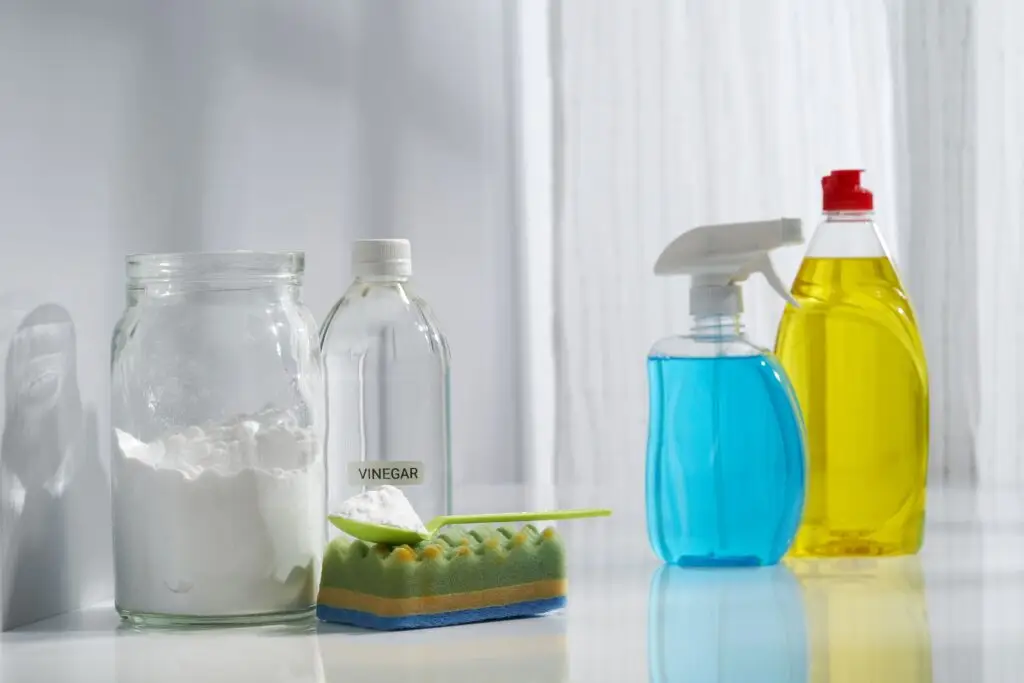
The debate between DIY solutions and professional-grade cleaners is one of the most common discussions we have at Fabro Cleaning. Both have their place in a well-maintained home, but understanding when to use which is the secret to a cleaner, safer living space. Using a homemade vinegar spray on a granite countertop can do more harm than good, just as using a heavy-duty industrial degreaser for daily dusting is overkill. Here is our expert guide to choosing the right tool for the job.
Quick Answer: Which Cleaning Option Works Better?
Homemade cleaners are excellent for routine, light-duty maintenance like dusting, glass cleaning, and wiping down counters. Store-bought cleaners are generally superior for deep cleaning, heavy grease removal, sanitizing after illness, and restoring surfaces that require specialized pH-balanced care.
Defining Your Arsenal
- Homemade Products: Typically rely on pantry staples like white vinegar (acidic), baking soda (mildly abrasive/alkaline), and castile soap (surfactant). They are generally safer for daily use and minimize environmental impact.
- Store-Bought Cleaners: Formulated in laboratories to achieve specific results. They often contain surfactants, chelating agents, and biocides that are specifically engineered to break down tough soils (like soap scum) or kill specific pathogens (disinfection).
The Pros and Cons
Homemade Cleaning Products
- Pros: Highly cost-effective, free from synthetic fragrances (ideal for those with chemical sensitivities), and easy to replenish.
- Cons: They do not disinfect. Vinegar and baking soda are great cleaners, but they are not EPA-registered disinfectants. They also lack the “grease-cutting” power of high-end commercial surfactants.
Store-Bought Cleaners
- Pros: They are “all-in-one” solutions designed for speed and effectiveness. They often contain precise pH levels, which is crucial for protecting sensitive materials like natural stone or hardwood.
- Cons: They can be expensive, often contain strong synthetic fragrances, and require careful storage to ensure child/pet safety.
When to Use Which: By Surface
| Surface | Best Choice | Why? |
| Glass/Mirrors | Homemade | Vinegar and water streak less and are cheaper. |
| Natural Stone | Store-Bought | Homemade acids (vinegar/lemon) can permanently etch and dull stone. |
| Grout/Mold | Store-Bought | Commercial mold-removers have the dwell time and chemistry to kill mold roots. |
| General Dusting | Homemade | Plain water or a simple mild soap solution is safer for most finishes. |
| Heavy Grease | Store-Bought | Commercial degreasers contain surfactants that work faster than soap alone. |
Critical Safety Mistakes to Avoid
- The “Mixing” Danger: Never mix vinegar and bleach. This creates toxic chlorine gas. Also, avoid mixing bleach with ammonia, as this creates harmful chloramine vapors.
- Assuming “Natural” Means “Safe”: Some essential oils found in DIY recipes are toxic to pets (like tea tree or peppermint). Always verify the safety of ingredients for your specific household members.
- Using Acids on Everything: Vinegar is great, but it is an acid. Frequent use on marble, granite, grout, or unsealed wood will damage the finish over time.
When to Call the Pros
When a home is heavily soiled, dealing with post-illness sanitation, or requires specialty surface care (like hardwood or stone restoration), store-bought DIY chemistry isn’t enough. At Fabro Cleaning, we carry a professional-grade inventory, allowing us to safely disinfect and deep-clean surfaces using methods that are balanced, tested, and effective.
FAQ
Are homemade cleaning products effective?
Yes, for maintenance. They are great at removing dirt and light grime, but they do not disinfect surfaces or handle heavy, set-in soil as effectively as engineered cleaners.
Are store-bought cleaners better than vinegar?
For specific tasks like disinfecting, degreasing, or cleaning natural stone, store-bought products are significantly better and safer for the surface.
Do homemade cleaners disinfect?
No. Vinegar and baking soda do not qualify as disinfectants and cannot be relied upon to kill dangerous pathogens like Salmonella or Influenza.
What should you not clean with vinegar?
Never use vinegar on natural stone (granite, marble, travertine), as it will etch the finish, or on hardwood floors, as the acid can strip the wax or polyurethane.
Which option is safest for homes with pets or kids?
“Safe” is relative. While DIY cleaners have fewer synthetic chemicals, professional-grade cleaners (when used correctly) are more effective at removing germs that cause illness. The best “safe” strategy is to use the mildest effective product for the task and always ensure proper rinsing and ventilation.
Want a cleaning routine that is effective and stress-free?
At Fabro Cleaning, we have the expertise to use the right product for every single surface in your home. Click here to get a free estimate from Fabro Cleaning and let us take the guesswork out of your home care!