
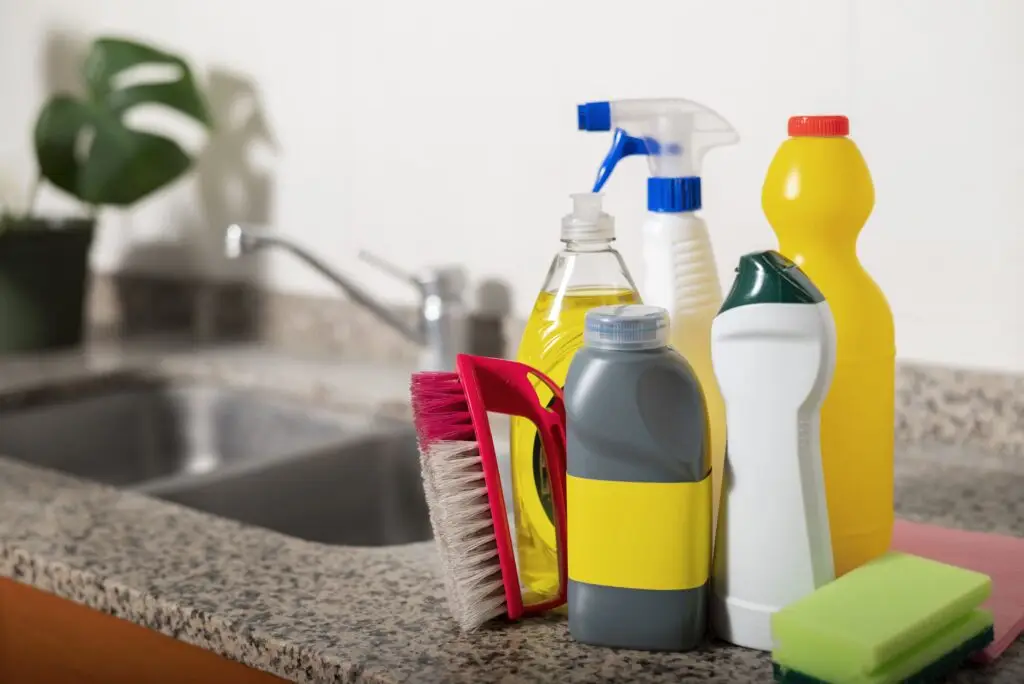
Using a dirty or worn-out tool to clean your home is counterintuitive—instead of sanitizing, you may just be spreading bacteria and debris from one surface to another. At Fabro Cleaning, we view our equipment as the “first line of defense” in home hygiene. Knowing when to retire a tool is just as important as knowing how to use it.
Quick Answer: Cleaning Tool Replacement Guide
| Cleaning Tool | Replace Every |
| Kitchen Sponges | 1–2 Weeks |
| Microfiber Cloths | 6–12 Months |
| Mop Heads | 2–3 Months |
| Toilet Brushes | 6 Months |
| Vacuum Filters | 6–12 Months |
| Brooms | 1–2 Years |
Why Replacement Matters
Cleaning tools are designed to interact with bacteria, oils, and particulate matter. Over time, these materials become embedded in the fibers or bristles of your tools, where they can survive despite washing. Once a tool loses its structural integrity (like bristles going flat) or its ability to release captured dirt, it becomes a “germ vector” rather than a cleaning solution.
Detailed Replacement Intervals
Kitchen Sponges
These are the most bacteria-prone items in your home. Even with regular rinsing, they remain damp and warm—a perfect environment for bacterial growth. Replace them every 1–2 weeks, or immediately if they develop an odor.
Microfiber Cloths
When cared for properly (washed in hot water without fabric softener), microfiber can last a long time. However, once the fibers become “loaded” with oils that won’t wash out, they lose their ability to grab dust. Replace them when they no longer pick up dust effectively or feel “gummy” after washing.
Mop Heads
Mop heads absorb all the grime from your floors. If you are mopping a busy kitchen or bathroom, the fibers degrade and collect bacteria quickly. Replace them every 2–3 months of regular use to ensure you are actually cleaning your floors rather than spreading dirt around.
Toilet Brushes
A toilet brush should be replaced every 6 months at a minimum. Even if it looks clean, it is harboring unseen bacteria. Keep it in a ventilated holder, and never store it while it is still dripping wet.
Vacuum Filters
Filters are the lungs of your vacuum. When they get clogged, the motor works harder, the suction drops, and you may even release dust back into the air. Check your manufacturer’s guide, but generally, replace HEPA filters every 6–12 months.
Signs Your Tool Has Retired
- Persistent Odors: If a tool smells “sour” even after washing, the bacteria have colonized the material. It’s time to toss it.
- Poor Absorption: If your mop or cloth just “pushes” liquid around rather than soaking it up, the fibers have reached their limit.
- Worn or Frayed Bristles: On brooms or scrub brushes, once bristles bend, they lose the tension needed to flick debris into a dustpan.
- Reduced Suction: If your vacuum is struggling, the filter is likely blocked beyond repair.
Pro-Tips to Extend Tool Life
- Sanitize Weekly: For cloths and mop heads, run them through a high-temperature wash cycle with a laundry sanitizer or bleach (if color-safe) once a week.
- Ventilation is Key: Never store damp brushes or sponges in a closed cabinet. Let them air-dry completely in a well-ventilated area.
- Use Specific Tools: Keep a dedicated color-coded system (e.g., blue for glass, yellow for dusting, red for bathrooms) so you aren’t using your bathroom tools in the kitchen.
FAQ
How often should you replace kitchen sponges?
Replace them every 1–2 weeks. If you use them for heavy cleaning, replace them even sooner.
When should microfiber cloths be replaced?
Replace them when they no longer grab dust effectively or feel greasy even after a thorough wash. This is usually every 6–12 months of heavy use.
How often should mop heads be changed?
Every 2–3 months of regular household use is standard to ensure you aren’t just pushing dirt across your floors.
How long do toilet brushes last?
Six months is the recommended maximum. Always ensure the holder allows the brush to air-dry between uses.
Can dirty cleaning tools spread germs?
Absolutely. A saturated, old sponge or a clogged vacuum filter can release more bacteria and dust into your home than they remove.
Tired of managing your home’s maintenance?
At Fabro Cleaning, we bring our own high-quality, sanitized equipment to every single job, so you never have to worry about the state of your tools. Click here to get a free estimate from Fabro Cleaning and let our professionals handle the details!