
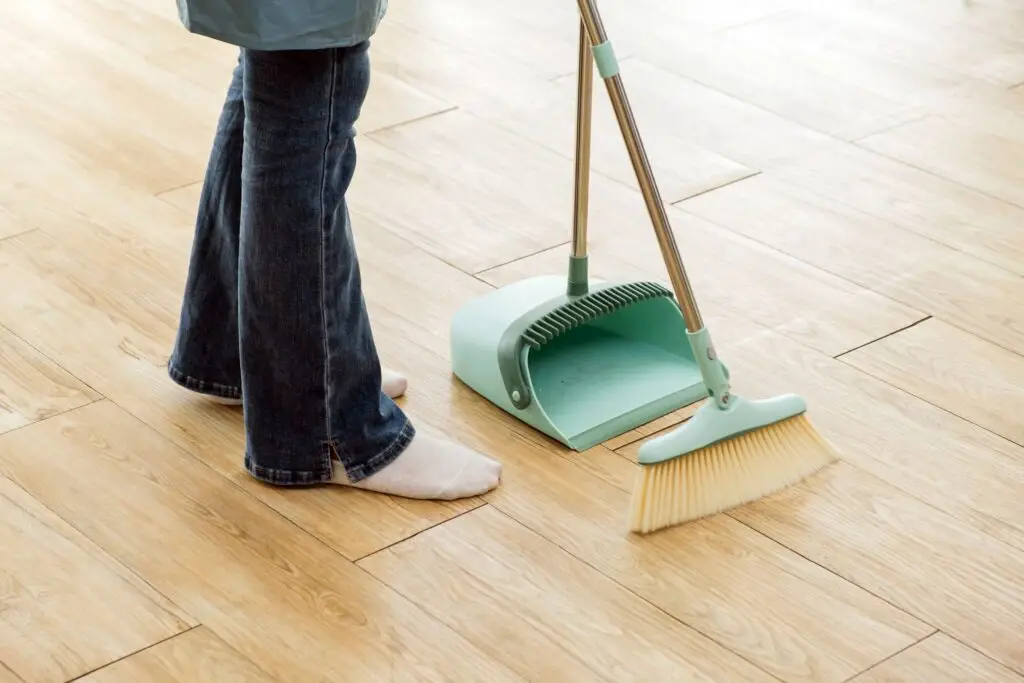
In the professional cleaning landscape of 2026, sweeping is no longer just about visible debris; it is about “Particulate Management.” Dust, pet dander, and outdoor pollutants settle constantly, and if left unattended, they can affect both the luster of your floors and the air quality of your home.
Quick Answer: Sweep High-Traffic Areas Daily
For the average household, high-traffic zones should be swept at least once a day. This includes the kitchen, entryway, and primary hallways. For low-traffic areas like guest bedrooms or formal dining rooms, a thorough sweeping once or twice a week is generally sufficient to prevent dust accumulation.
Frequency by Area: The Specialist Roadmap
A “Masterpiece” home requires a strategic approach to floor maintenance. Not every room demands the same level of attention.
- The Kitchen: Daily. Crumbs and food particles can attract pests and, when stepped on, can be smeared into grout lines or wood grain.
- Entryways and Mudrooms: Daily. This is your home’s “First Line of Defense.” Removing grit here prevents it from being tracked into the rest of the house.
- Dining Room: After every meal. Even small amounts of debris can become abrasive under the movement of chair legs.
- Bathrooms: Every 2 days. Hair and lint tend to accumulate quickly here due to high humidity and grooming routines.
- Bedrooms: Weekly. Since these are “low-impact” zones, a weekly sweep is usually enough to manage “ghost dust” and clothing fibers.
Factors That Affect Cleaning Frequency
In 2026, specialists look at the “Environmental Load” of a home to determine the best cleaning schedule:
- Pets: If you have dogs or cats that shed, daily sweeping of the entire home may be necessary to manage fur and dander.
- Allergies: For residents with respiratory sensitivities, daily sweeping (paired with a HEPA vacuum) is a “Gold Star” requirement for health.
- Floor Type: Textured tile and deep-grained wood trap dirt more easily than smooth polished concrete, requiring more frequent agitation.
- Household Size: A home with young children or multiple roommates naturally has a higher “Grit Ingress” and requires more frequent maintenance than a single-occupant home.
FAQ: Professional Floor Maintenance
Is sweeping better than vacuuming?
In 2026, specialists often prefer high-efficiency vacuums for hard floors because they “extract” dust rather than pushing it around. However, for a quick “Masterpiece” refresh or for delicate surfaces where a vacuum head might scratch, a soft-bristled broom is still the specialist’s tool of choice.
Does sweeping help with allergies?
Only if done correctly. Using a traditional broom can kick dust into the air. Specialists recommend using a microfiber dust mop or a “soft-catch” broom to trap particles instead of launching them into your breathing zone.
What happens if I don’t sweep often enough?
Over time, the grit acts like sandpaper, dulling the “Gold Star” finish of your wood or tile. Once the protective seal is worn down, dirt can penetrate the material itself, leading to permanent staining and the need for expensive refinishing.
Protect Your “Masterpiece” with Fabro Cleaning
At Fabro Cleaning, we know that your floors are one of the most significant investments in your home. Our specialists bring the technical expertise and 2026 tools required to keep every surface—from the kitchen to the bedroom—in pristine condition. We handle the deep extraction and detailed maintenance, providing the “Gold Star” care your home deserves.
- Specialist Floor Care: Tailored techniques for every material.
- Advanced Dust Management: Promoting a healthier indoor environment.
- Marlborough’s Quality Standard: Excellence in every sweep.
Want floors that always look like a “Masterpiece”? Contact Fabro Cleaning today for a professional floor maintenance estimate and let us handle the “Gold Star” details for you!