
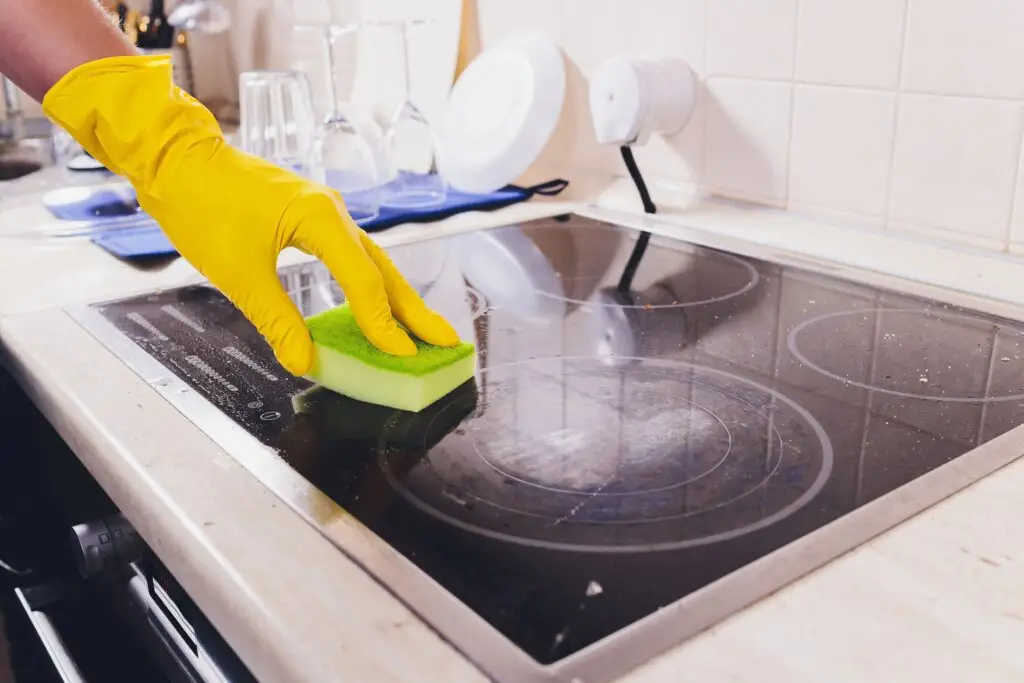
A glass-ceramic cooktop gives any kitchen a sleek, modern, and high-end aesthetic. However, because these glossy surfaces display every speck of dust, oil smudge, and burnt-on food spill, maintaining their pristine mirror-like finish can feel intimidating. Standard scouring pads and harsh metallic scrapers will permanently scratch the delicate glass-ceramic matrix, destroying its finish.
Knowing the correct non-abrasive products and safe scraping techniques keeps your cooktop gleaming and undamaged. To support your kitchen care routine, explore our guide on can you use oven cleaner on stove top, review detailed glass maintenance in our post on how to clean oven glass without scratching, and discover professional upkeep through our recurring cleaning services.
Quick Answer
Use a non-abrasive cooktop cleaner, microfiber cloth, specialized plastic scraper when needed, and a dry buffing step to prevent streaks.
Why Glass Stove Tops Scratch So Easily
Explain Glass-Ceramic Surfaces
Glass cooktops are made from specialized glass-ceramic materials engineered to withstand extreme high temperatures, but their smooth, polished top layer is exceptionally vulnerable to abrasion from hard particles.
Show How Grit, Sugar Spills, and Abrasive Pads Cause Damage
Trapped food grit or coarse sugar crystals dragged across the hot surface under heavy cookware act like sandpaper, creating deep, permanent scratches. Furthermore, melted sugar chemically bonds with the glass surface, pulling out chunks of ceramic if forced off incorrectly.
What You Need Before Cleaning
| Cleaning Supply | Primary Purpose | Safety & Utility |
| Microfiber Cloth | Buffs and polishes without leaving lint or streaks. | Soft, non-scratch fabric |
| Non-Scratch Sponge | Lifts softened grease without scratching the glaze. | Gentle foam or nylon mesh |
| Plastic Scraper | Safely removes hardened, baked-on spills. | Angled plastic blade |
| Cooktop-Safe Cleaner | Chemically breaks down burnt oil and grease. | Specially formulated paste or spray |
Step-by-Step Glass Stove Top Cleaning Method
1.Let the Surface Cool:Wait for safety.
Ensure the glass cooktop is completely cool to the touch before applying any liquids, preventing thermal shock or rapid evaporation that bakes cleaner onto the glass.
2.Remove Loose Crumbs:Clear loose debris.
Wipe away dry crumbs, dust, and loose food particles with a dry microfiber cloth or soft brush.
3.Soften Cooked-On Residue:Apply specialized formula.
Apply a quarter-sized dollop of cooktop-safe cleaner over burnt spots and let it dwell for 10 minutes to penetrate grease bonds.
4.Scrape Safely at a Low Angle:Slide at a shallow angle.
Hold a plastic cooktop scraper at a 30 to 45-degree angle and gently push it under softened burnt debris to lift it off the glass.
What Not to Use on A Glass Cooktop
Steel Wool
Metal wool and abrasive scouring pads will instantly scratch and ruin the polished glass-ceramic finish.
Powder Abrasives
Traditional household scouring powders contain coarse mineral grits that abrade and dull the glossy cooktop surface.
Heavy Oven Cleaner
Caustic spray oven cleaners can stain, discolor, or etch aluminum trim and glass surfaces if left too long.
Too Much Water Near Controls
Saturating electronic touch controls or burner knobs with excess water risks short-circuiting the appliance.
How Often Should You Clean a Glass Stove Top?
Daily Wipe-Down
Give the cooktop a quick wipe with a damp microfiber cloth after every cooking session to prevent oil film accumulation.
Weekly Detail Clean
Perform a thorough cleaning using a dedicated cooktop polish every week to maintain long-term shine.
Immediate Cleanup for Sugar or Melted Plastic
Clean up spilled sugar, syrup, or melted plastic immediately using a scraper while the surface is still warm (using oven mitts) to prevent permanent pitting.
When Professional Kitchen Cleaning Helps
Grease Buildup
Professional help removes heavy, polymerized oil layers around burners and backsplashes.
Move-Out Cleaning
Comprehensive cleaning ensures kitchen appliances meet strict inspection standards.
Deep Cleaning Before Guests
A thorough seasonal reset makes your entire kitchen look immaculate for hosting visitors.
Recurring Kitchen Maintenance
Regular visits keep stovetops, counters, and ovens consistently spotless without weekly scrubbing.
FAQ
Can baking soda scratch a glass stove top?
Baking soda is a mild abrasive and is generally safe when mixed into a smooth paste with water, but scrubbing too hard with dry powder can create microscopic hairline scratches.
Can you use vinegar on a glass cooktop?
Yes. White vinegar is a wonderful natural degreaser and rinse aid for cutting through grease and dissolving water spots on glass cooktops.
How do you remove burnt food from a glass stove top?
Apply a specialized cooktop cleaner, let it dwell to soften the carbon, and gently slide a plastic scraper across the residue at a low angle.
What is the safest scraper for glass cooktops?
A plastic razor blade scraper designed specifically for glass-ceramic cooktops is the safest tool to prevent gouging the surface.
How often should a glass stove top be cleaned?
Wipe it down daily after cooking, and perform a detailed polish and deep clean weekly.
Request a Cleaning Quote
Encourage readers to request a free quote from Fabro Cleaning for recurring cleaning, deep cleaning, move-in/move-out cleaning, post-construction cleaning, or office cleaning when the task requires more time, detail, or professional support. Visit our deep cleaning services page or contact our team today to get started!