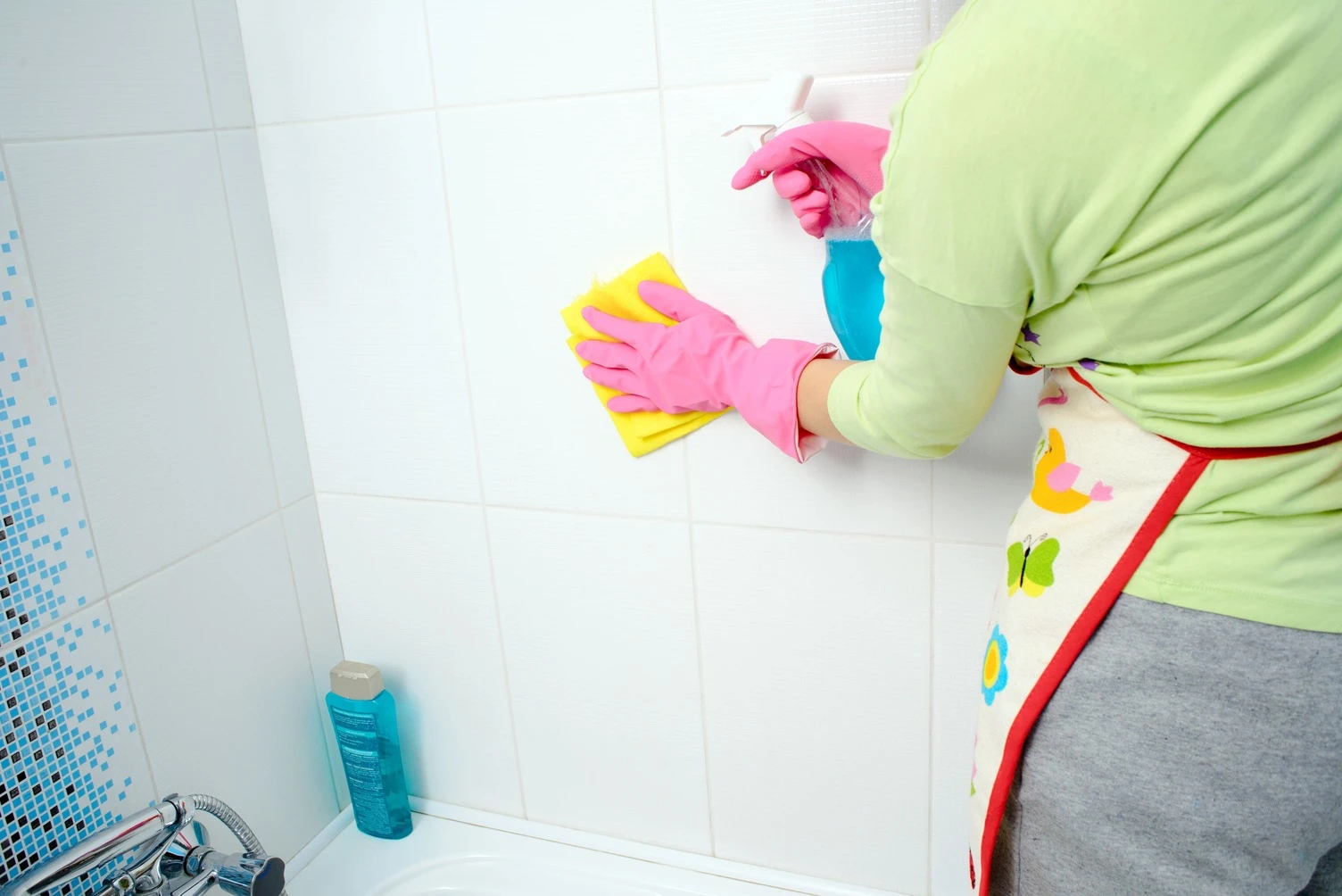
Bathroom floors in American homes endure high levels of moisture, humidity, and chemical exposure from hair products and soaps. Selecting the right cleaner is not just about hygiene; it is about protecting the structural integrity of your flooring and the grout lines that hold them together. Because a cleaner that works for ceramic can destroy marble, identifying your tile material is the first and most critical step.
Quick Answer: Match Cleaner to Tile Material
The "best" cleaner is entirely dependent on what your floor is made of. Using an acidic cleaner on natural stone will cause irreversible etching, while using a basic soap on porcelain might leave a slippery film. To maintain your home's value and safety, always verify your tile type—Ceramic, Porcelain, or Natural Stone—before applying any DIY or commercial solution.
Best Cleaners for:
Ceramic & Porcelain Tile
These are the most common bathroom tiles in the US due to their durability and low porosity.
- The Best DIY Solution: A mixture of 1/2 cup white vinegar, 1 gallon of warm water, and 2 drops of clear dish soap.
- Why it works: Porcelain and ceramic have a glazed protective layer. The mild acidity of the vinegar cuts through hard water minerals and urine salts common in bathrooms, while the soap lifts body oils.
- Commercial Note: Look for "neutral pH" cleaners if you prefer a store-bought option to ensure the glaze remains shiny over time.
Natural Stone Tile (Marble, Travertine, Slate)
Natural stone is porous and chemically sensitive. It requires specialized care to prevent staining and "etching" (chemical burns).
- The Best Solution: Use only pH-neutral stone cleaners or a very dilute mixture of warm water and a tiny drop of highly diluted dish soap.
- What to Avoid: Never use vinegar, lemon juice, or any acidic cleaner on stone. These will eat into the calcium carbonate in marble and travertine, leaving dull, white spots that require professional restoration.
- Pro Tip: Always ensure your stone is properly "sealed" at least once a year to prevent water from penetrating the tile.
Grout Cleaning Solutions
Grout is the most porous part of your floor and usually the first place to show mold and mildew.
- For Light Stains: A paste made of baking soda and water. Apply, let sit for 10 minutes, and scrub with a stiff nylon brush.
- For Heavy Stains/Mildew: A mixture of 1 part hydrogen peroxide and 2 parts baking soda. Hydrogen peroxide is a safer alternative to bleach that kills mold spores without the toxic fumes.
- Avoid: Metal brushes, which can scratch the tile and crumble the grout.
How to Deep Clean Bathroom Tile Floors
A deep clean should go beyond a quick wipe. Follow this professional-grade protocol for the best results:
- Pre-sweep: Use a microfiber dust mop or a vacuum with a soft-floor attachment to remove hair and grit. If grit remains during mopping, it acts as an abrasive, scratching the tile surface.
- Apply Cleaner: Use a spray bottle or a microfiber mop to apply your chosen solution. Do not "flood" the floor; just ensure it is evenly damp.
- Let Dwell: This is the most skipped step. Let the cleaner sit for 5 to 10 minutes. This allows the chemical bonds in the grime and soap scum to break down.
- Scrub Grout: While the floor is wet, use a dedicated grout brush to agitate the lines. This is where the majority of bathroom bacteria reside.
- Rinse Properly: This is vital. If you don't rinse with clean water afterward, the leftover soap will act as a magnet for new dirt, causing your floors to get dirty faster. Use a fresh damp cloth or mop to "pick up" the dirty solution.
How Often Should Bathroom Floors Be Cleaned?
In a typical US household, bathroom floors should be addressed on two levels:
- Sanitizing Wipe-down (Weekly): Focus on the areas around the toilet and the vanity where hairspray and toothpaste land.
- Deep Scrub (Monthly): This involves the "dwell time" method and grout agitation to prevent the buildup of pink mold (Serratia marcescens) and soap scum.
FAQs
Is bleach safe for grout?
Occasional use of a diluted bleach solution is okay for white, cement-based grout to kill mold, but it should not be a regular habit. Over time, bleach can weaken the grout, causing it to become brittle and crack. Never use bleach on colored grout, as it will cause fading and spotting.
Can I use vinegar on tile?
Yes, vinegar is excellent for ceramic and porcelain because it dissolves the calcium deposits from hard water. However, it is strictly forbidden for marble, limestone, or any natural stone floors.
How do I remove soap scum buildup?
Soap scum is a combination of body oils and mineral deposits. For heavy buildup on ceramic tile, use a paste of baking soda and dish soap. The baking soda provides a gentle abrasive action to lift the "crust" of the scum without scratching the tile.
Experience the Ultimate Clean with Fabro Cleaning
Bathrooms are the most sensitive areas of the home when it comes to hygiene and material care. Don't risk damaging your expensive stone or leaving behind hidden bacteria. Our professional team uses specialized, eco-friendly equipment to restore your tile and grout to their original glory.
Contact Fabro Cleaning today to schedule a deep tile restoration and get your bathroom sparkling again!