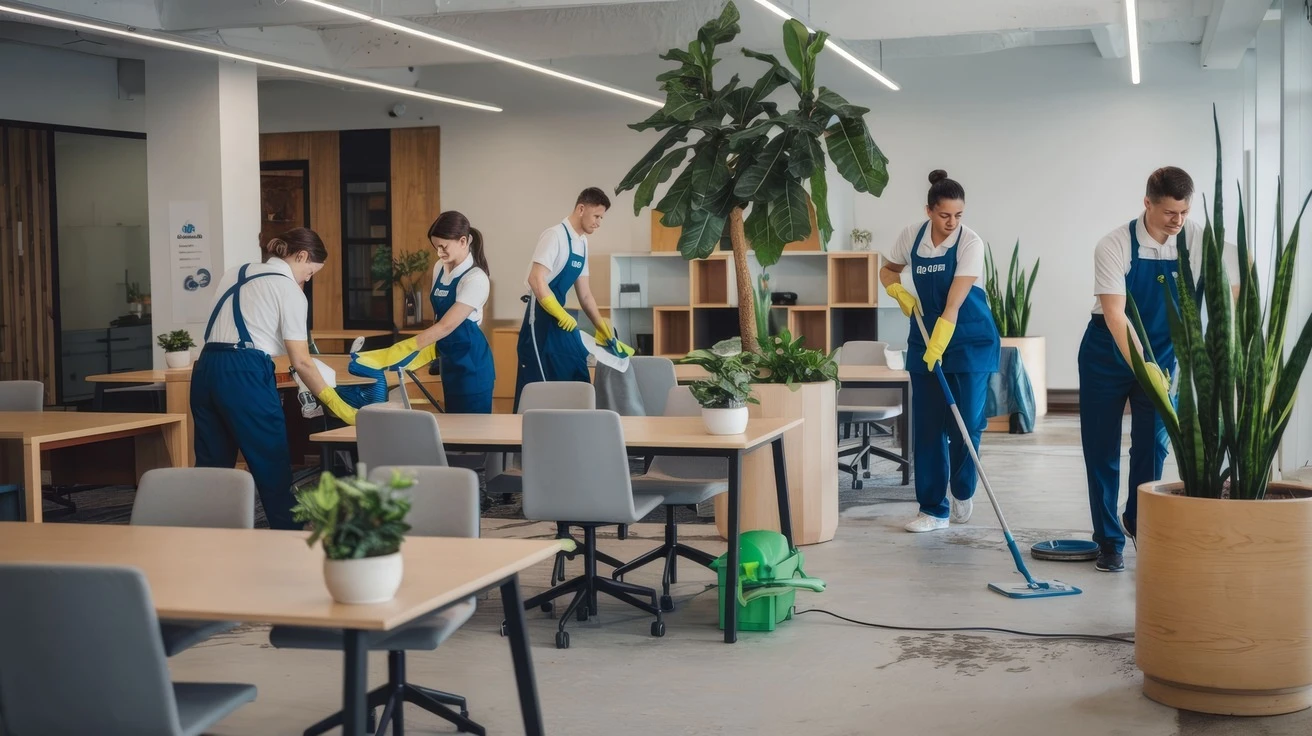
Selecting a janitorial partner in a major metro like Philadelphia is about more than just finding someone to empty the trash. It is about protecting your brand, ensuring the health of your employees, and maintaining the longevity of your physical assets. In a city where historic buildings meet modern skyscrapers, your cleaning provider must be as versatile as the local architecture.
The most effective commercial cleaning partner is one that moves away from "standard" packages and instead performs a deep analysis of your facility. The right choice is a company that synchronizes its cleaning schedule with your busiest hours, focuses on your specific flooring types, and adjusts frequency based on actual employee and visitor foot traffic.
In the commercial sector, a law firm in Center City has vastly different needs than a medical clinic or a retail storefront. A generic checklist leads to over-cleaning low-traffic areas (wasting your budget) and under-cleaning high-impact zones (risking health and aesthetics). Customized janitorial services ensure that resources are allocated where they matter most, providing a better return on investment.
Modern facilities require a multi-disciplinary approach to maintenance. Most Philadelphia businesses look for a "single-source" provider that can handle daily tasks alongside specialized technical cleaning.
Restrooms are the primary indicator of a facility's overall cleanliness. A professional partner doesn't just "wipe down" surfaces; they use hospital-grade disinfectants on all touchpoints and ensure that soap, paper towels, and liners are always stocked. Managing your consumables inventory is a standard expectation for premium US commercial contracts.
Floors are often the most expensive asset in a commercial building.
Since 2020, "visible clean" is no longer enough. High-touch protocols involve the targeted disinfection of elevator buttons, door handles, shared kitchen equipment, and light switches. Many providers now offer electrostatic spraying for rapid, 360-degree disinfection of entire workspaces.
A reputable commercial cleaner should have a portfolio that spans various sectors, as each carries its own set of regulatory requirements.
Transparency in pricing is a hallmark of a professional cleaning partner. In the US market, quotes are rarely "flat-rate" and are instead calculated based on several variables.
When vetting a company online, look for these indicators of a high-quality operation:
Avoid companies that only offer "Level A, B, or C" plans. Look for language that mentions "Tailored Solutions" or "Site-Specific SOPs" (Standard Operating Procedures).
A provider should explicitly list their experience. If you manage a lab, you shouldn't hire a company that only specializes in small retail shops.
Small offices (under 10 employees) often find 2–3 times per week sufficient. Medium to large facilities, or those with high public turnover, generally require nightly service (5–7 days per week) to maintain safety standards.
Yes. Most commercial cleaning in the US is performed between 6:00 PM and 2:00 AM to avoid interfering with business operations. Weekend deep-cleaning is also standard for floor waxing or carpet cleaning.
In most professional commercial contracts, the cleaning company provides all specialized equipment (HEPA vacuums, floor scrubbers) and cleaning chemicals. Consumables like paper towels and trash liners are usually billed as a separate line item or managed by the cleaner on the client's behalf.
Ready for a Cleaner, Healthier Workspace?
Don't settle for a janitorial service that just goes through the motions. Your Philadelphia facility deserves a cleaning partner that understands the nuances of your industry and the specific needs of your building. From Center City offices to suburban clinics, Fabro Cleaning delivers unmatched reliability and professional-grade results.
Contact Fabro Cleaning today to schedule your facility walkthrough and receive a customized commercial quote!