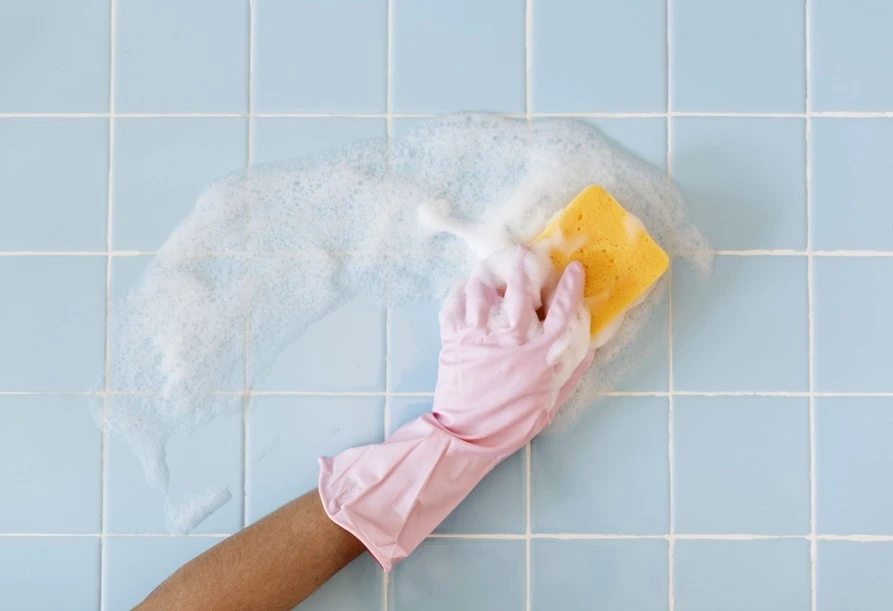
The bathroom is arguably the most important room in the house to keep sanitized. Between moisture-loving bacteria, soap scum buildup, and high-touch surfaces, this area requires a strategic approach to hygiene. Understanding the "how often" is the first step toward maintaining a healthy, sparkling home.
For the average American household, a comprehensive weekly cleaning is the industry standard. This frequency prevents the accumulation of grime and ensures that bacteria don't have enough time to form difficult-to-remove colonies or mold.
Health experts and professional cleaning services alike suggest a seven-day cycle. This timeframe strikes the perfect balance: it’s frequent enough to keep allergens and germs at bay, but manageable enough to fit into a busy modern schedule. Neglecting this weekly cadence often results in "permanent" staining or the need for aggressive chemical treatments later on.
Not every part of your bathroom needs the same level of attention. Breaking it down by zone helps maintain a high standard of cleanliness without feeling overwhelmed.
These are the primary "germ zones."
Because of the high humidity, showers and tubs are breeding grounds for pink mold (Serratia marcescens) and mildew.
Bathroom floors collect hair, dust, and moisture droplets.
These are often overlooked but carry the most fingerprints and bacteria. A 30-second wipe of the faucet handles and light switches can significantly reduce the spread of seasonal illnesses.
While weekly is the baseline, several factors may require you to ramp up your cleaning efforts.
A single-person household with two bathrooms can likely stretch deep cleans further. However, a family of four sharing one bathroom will likely need a mid-week refresh to maintain basic sanitary conditions.
If your bathroom lacks a high-quality exhaust fan or a window, moisture lingers. In these environments, mold can begin to grow within 24 to 48 hours. Homes with poor ventilation require more frequent tile and grout inspections.
Consistency is easier when you have a plan. Follow this tiered approach to keep your Fabro-level clean lasting longer.
Usually only if there is a known illness in the home or if the bathroom is used by a high volume of guests. In those cases, daily disinfection of high-touch surfaces (handles and seats) is advised.
The "big three" are: Ventilation (running the fan for 20 mins after a shower), Light (leaving the shower curtain open to dry), and Squeegeeing (removing the standing water from tiles).
A professional deep clean from a service like Fabro Cleaning goes beyond the surface. It includes hand-wiping baseboards, detailed scrubbing of shower door tracks, disinfecting the inside of trash cans, cleaning light fixtures, and ensuring all chrome is polished to a mirror finish.
Let Fabro Cleaning Handle the Scrubbing!
Bathrooms are the toughest rooms to clean, but they are our specialty. If you’re tired of fighting soap scum and grime, let our professional team restore your bathroom to a "like-new" sparkle. We use top-tier supplies and proven checklists to ensure a hygienic environment for your family.
Click here to schedule your professional bathroom deep clean with Fabro Cleaning!