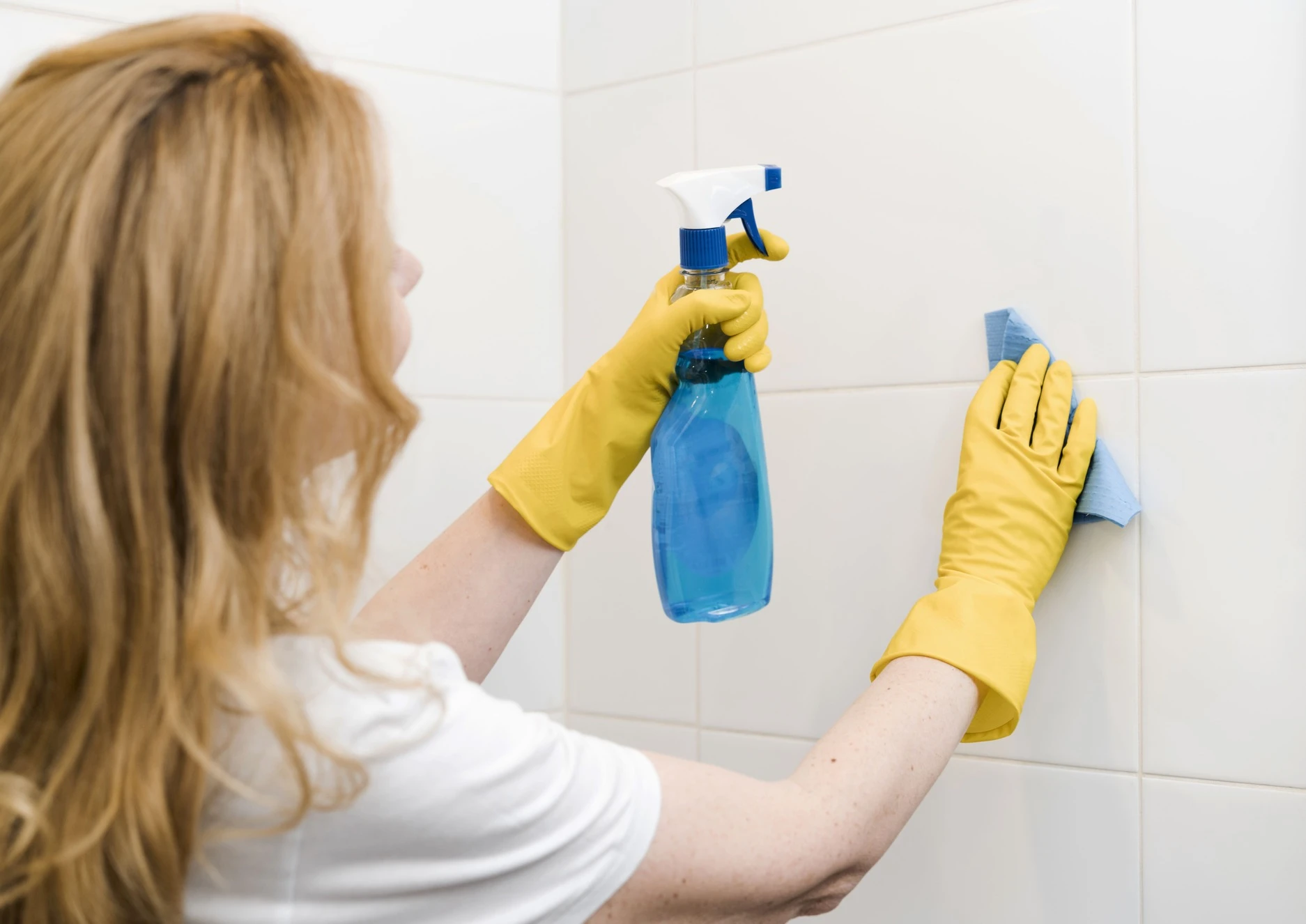
Maintaining a pristine bathroom requires more than just a "spray and wipe" approach. Because modern bathrooms often feature a mix of materials—ranging from durable man-made ceramics to sensitive natural stones—the chemistry of your cleaning agent is the most critical factor in preventing permanent surface damage.
The golden rule of tile maintenance is identifying your surface before applying any chemical. While ceramic and porcelain are highly resilient and can handle most household cleaners, natural stone requires a specialized approach. Using the wrong product can result in "etching"—a chemical reaction that permanently dulls the surface of the stone.
Acidic cleaners (including many "tub and tile" sprays, vinegar, and lemon-based products) react aggressively with the calcium carbonate found in marble, limestone, and travertine. For these materials, you must exclusively use non-acidic, pH-neutral cleaners to preserve the stone's integrity and shine.
Ceramic and porcelain are fired at extremely high temperatures, making them nearly impervious to liquids and most chemicals.
Natural stone is porous and chemically sensitive.
Grout is the most vulnerable part of any tile installation because it is highly porous and often sits slightly lower than the tile, allowing water and grime to pool.
In the US, most professional installers recommend sealing grout lines every 6 to 12 months. A high-quality penetrating sealer creates a hydrophobic barrier, causing water to bead on the surface rather than soaking into the grout. This is your primary defense against deep-seated mold and mildew.
The best way to clean a bathroom is to prevent it from getting dirty in the first place.
Bleach is effective for killing mold, but it is not a "cleaner" for dirt or grease. It can also be too harsh for many types of grout and will eventually cause it to crumble if used excessively. If you use bleach, dilute it heavily and use it only on ceramic or porcelain—never on stone.
Only on ceramic and porcelain. While vinegar is a popular eco-friendly option, its high acidity will eat away at grout over time, making it more porous and prone to falling out. It should be strictly avoided on any natural stone surface.
For a standard US household, a light weekly cleaning is recommended, with a "deep clean" (focusing on grout scrubbing and detailed corner work) performed once every quarter.
Tired of Scrubbing? Let the Professionals Handle It.
Achieving a true deep-clean on tile and grout requires professional-grade equipment and the right chemical expertise. Whether you have delicate marble or high-traffic porcelain, Fabro Cleaning provides specialized restoration and maintenance services that make your bathroom look brand new.
Contact Fabro Cleaning today for a free estimate on your professional tile and grout deep-clean!